Stainless steel screw pumps have become a preferred choice across industries where reliable fluid handling, corrosion resistance, hygienic performance, and long service life matter. Although the initial purchase price of a stainless steel screw pump may be higher than that of some alternative pump types or lower-grade materials, the long-term cost-effectiveness is often significantly better. This is because total ownership cost is not determined by the upfront price alone. In real industrial operations, durability, maintenance frequency, downtime, energy use, and replacement cycles all influence the true economic value of a pump system.
For buyers searching for stainless steel screw pumps, industrial screw pumps, Progressive cavity pumps, positive displacement pumps, or corrosion-resistant pumps, understanding lifecycle cost is essential. In many applications, stainless steel screw pumps deliver lower total cost of ownership because they reduce repair interruptions, withstand aggressive fluids, improve sanitary compliance, and maintain performance over time. This makes them a strategic investment for industries such as food processing, beverage production, pharmaceuticals, chemicals, cosmetics, wastewater treatment, marine systems, and general manufacturing.
What Is a Stainless Steel Screw Pump?
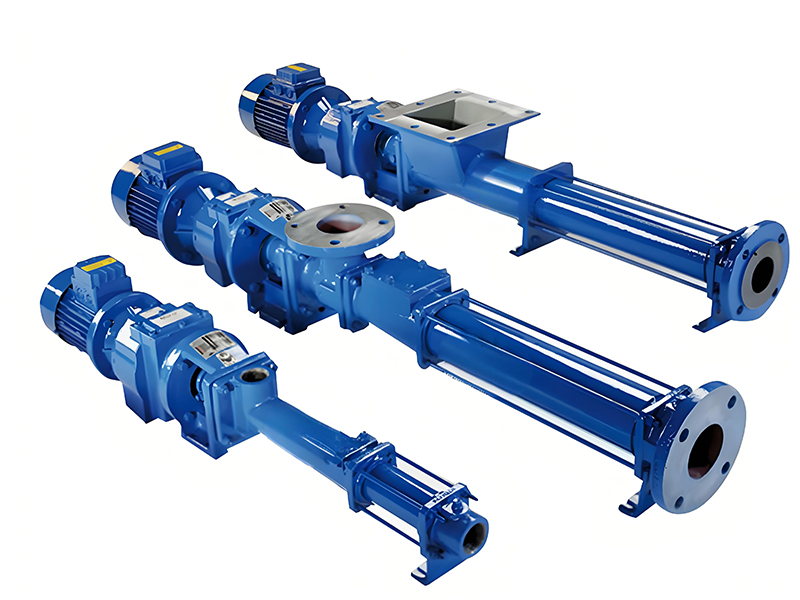
A stainless steel screw pump is a type of positive displacement pump that moves fluid by means of one or more rotating screws inside a tightly fitted housing. As the screws rotate, the fluid is trapped in cavities and transported smoothly from the suction side to the discharge side. This pumping action creates a stable flow with minimal pulsation, making screw pumps suitable for both low-viscosity and high-viscosity fluids.
Stainless steel is used as the main construction material because it offers strong resistance to corrosion, oxidation, temperature variation, and chemical attack. Common stainless steel grades include 304 and 316, with 316 often preferred in harsher or more corrosive environments. In sanitary and industrial applications, stainless steel screw pumps are selected for their balance of strength, cleanliness, and long-term operational reliability.
Why Stainless Steel Screw Pumps Are More Cost-Effective in the Long Run
The cost-effectiveness of a pump should always be evaluated through its total cost of ownership rather than just the purchase price. Total cost of ownership includes installation, energy consumption, maintenance, spare parts, labor, downtime, cleaning, compliance, and replacement costs. Stainless steel screw pumps often perform better in each of these areas over the full service life of the equipment.
Below are the key reasons why stainless steel screw pumps are considered more cost-effective over time.
1. Longer Service Life Reduces Replacement Costs
One of the biggest advantages of stainless steel screw pumps is their long service life. Stainless steel offers excellent mechanical strength and corrosion resistance, which helps the pump survive demanding operating conditions without rapid wear. In many industries, pump replacement cycles can be expensive because they include not only the equipment cost but also installation labor, production stoppage, and potential process disruption.
Because stainless steel screw pumps typically last longer than pumps made from lower-grade metals or less durable materials, businesses can reduce the frequency of replacement and extend the useful life of their assets. Over time, this lowers the average annual cost of pumping equipment and improves return on investment.
2. Superior Corrosion Resistance Lowers Repair Frequency
Corrosion is a major cause of pump failure in industrial environments. When fluids contain water, salts, acids, bases, cleaning chemicals, or other corrosive compounds, many pump materials begin to degrade. As corrosion progresses, performance declines, seal integrity is compromised, and internal components may fail prematurely.
Stainless steel screw pumps are designed to resist corrosion far better than many alternative materials. This is especially important in applications involving food-grade liquids, pharmaceutical solutions, detergents, brines, wastewater, and chemical mixtures. Reduced corrosion means fewer leaks, fewer emergency repairs, and lower spare parts consumption. The result is a pump that remains reliable and economical over the long term.
3. Lower Maintenance Needs Reduce Operating Costs
Maintenance cost is one of the most important factors in pump economics. A pump that requires frequent seal changes, internal cleaning, or component replacement can quickly become expensive to operate. Stainless steel screw pumps generally offer lower maintenance requirements because they are robust, durable, and resistant to the environmental factors that typically accelerate wear.
In addition, screw pumps are known for stable flow and controlled operation, which can reduce mechanical stress on the system. With proper selection and routine inspection, many stainless steel screw pumps can run for long periods with limited maintenance intervention. That means lower labor costs, fewer shutdowns, and less need for expensive corrective maintenance.
4. Reduced Downtime Protects Production Value
In industrial environments, downtime is often more costly than the equipment itself. When a pump fails, stops unexpectedly, or requires frequent servicing, production can be delayed, raw materials can be wasted, and delivery schedules may be affected. Stainless steel screw pumps help reduce these risks by offering dependable operation and strong resistance to wear and corrosion.
The stability of a screw pump’s positive displacement mechanism contributes to predictable fluid movement and consistent process output. This reliability helps support continuous production and reduces the hidden costs associated with lost uptime. For many operations, the savings generated by improved reliability can exceed the difference in initial purchase price.
5. Better Hygienic Performance Lowers Cleaning and Compliance Costs
In food, beverage, dairy, and pharmaceutical applications, hygiene is not optional. Equipment must be easy to clean, resistant to contamination, and compatible with strict sanitation procedures. Stainless steel screw pumps are often chosen because they can support hygienic design requirements and withstand frequent cleaning cycles.
Their smooth, corrosion-resistant surfaces help reduce buildup and make cleaning more efficient. This is important for sanitary systems that use CIP (clean-in-place) or require regular washdown. Efficient cleaning can reduce labor, water, chemical use, and production delay. In regulated industries, stainless steel construction also supports compliance and lowers the risk of product loss, recalls, and non-conformance issues.
6. Stable Performance Across a Wide Range of Fluids
Another reason stainless steel screw pumps are cost-effective is their versatility. They can handle fluids with different viscosities, temperatures, and chemical properties. This makes them suitable for applications that would otherwise require multiple specialized pump types.
When one pump design can serve several processes, businesses may reduce equipment inventory, spare part complexity, and training costs. Versatility also improves purchasing efficiency, because the same general pump platform may be used across multiple production lines or facilities. This simplicity can save money in both the short and long term.
7. Energy Efficiency Improves Lifecycle Economics
Energy use is a major operating expense for pumps. While energy efficiency depends on system design, fluid properties, operating speed, and application requirements, stainless steel screw pumps can perform efficiently when properly selected and sized. Their smooth conveying action and positive displacement behavior help maintain consistent output, especially in viscous or sensitive fluids.
Over years of continuous operation, even small improvements in efficiency can create meaningful savings. Businesses that run pumps around the clock often place significant value on stable and optimized energy consumption. This is another reason the long-term economics of stainless steel screw pumps are strong.
Key Cost Factors in Pump Ownership
To understand why stainless steel screw pumps are more cost-effective in the long run, it helps to compare the main cost factors involved in pump ownership. The table below outlines the areas that influence total cost of ownership.
| Cost Factor | What It Includes | Impact on Long-Term Value |
| Initial Purchase Cost | Equipment price, base configuration, accessories | Important upfront, but not the full picture |
| Installation Cost | Labor, piping, alignment, commissioning | Affects project budget and startup time |
| Energy Cost | Power consumption during operation | Can become one of the largest lifetime costs |
| Maintenance Cost | Inspection, lubrication, seals, replacements | Directly affects operating budget |
| Downtime Cost | Lost production, emergency repair, delays | Often the most expensive hidden cost |
| Cleaning and Compliance Cost | Sanitation, chemical use, inspection, documentation | Critical in hygienic industries |
| Replacement Cost | New equipment, dismantling, reinstallation | Reduced by long service life |
Stainless Steel Screw Pump vs. Alternative Materials
The material used in a pump has a major effect on durability and lifecycle cost. While different materials may appear cheaper at the point of purchase, they may not provide the same longevity or resistance to demanding operating conditions. The table below gives a general comparison of common material options.
| Material | Main Benefits | Main Limitations | Typical Long-Term Cost Impact |
| Stainless Steel | Corrosion resistance, durability, hygienic suitability, long service life | Higher initial cost than basic materials | Often lowest total cost of ownership |
| Cast Iron | Lower purchase price, good strength | More vulnerable to corrosion and wear in harsh fluids | Can increase maintenance and replacement costs |
| Carbon Steel | Strong and widely available | Requires protection against corrosion | May need more coatings and upkeep |
| Plastic / Polymer | Lightweight, corrosion resistance in some applications | Lower strength and temperature tolerance | Can wear faster under industrial duty |
| Special Alloys | Excellent resistance in severe conditions | Very high initial cost | Cost-effective only in specialized environments |
Typical Industries That Benefit from Stainless Steel Screw Pumps
Stainless steel screw pumps are used across a wide range of industries. Their long-term value becomes especially clear when the fluid is viscous, abrasive, sanitary, temperature-sensitive, or mildly corrosive. Common applications include:
- Food processing
- Dairy production
- Beverage manufacturing
- Pharmaceutical processing
- Cosmetics and personal care
- Chemical handling
- Oil and lubricant transfer
- Wastewater treatment
- Marine and offshore systems
- General industrial fluid transfer
In each of these sectors, equipment uptime and product integrity are critical. The use of stainless steel can reduce contamination risks, improve process consistency, and extend the maintenance interval. These advantages directly affect profitability and operational reliability.
How Screw Pump Design Supports Cost Savings
The design of a screw pump contributes significantly to its economic performance. Because the pump moves fluid in a controlled cavity-based process, it can provide smooth flow with relatively low shear. This is especially useful for delicate or viscous products that might be damaged by more aggressive pumping methods.
Several design characteristics help drive cost savings:
- Low pulsation: Helps protect piping, valves, and process stability.
- Gentle fluid handling: Reduces product damage and waste.
- Positive displacement: Supports consistent volume delivery.
- Strong suction capability: Helps with fluid transfer efficiency.
- Compact structure: Can reduce installation complexity in some layouts.
These benefits can lower the need for auxiliary equipment, minimize process disturbances, and improve overall system efficiency. When paired with stainless steel construction, the result is a pump that remains useful and economical for many years.
Specification Overview of Stainless Steel Screw Pumps
The following table provides a general specification overview for stainless steel screw pumps. Actual values vary by design, size, and application requirements, but this table is useful for blog content, product category pages, and industry guides.
| Specification Item | Typical Range / Description |
| Pump Type | Positive displacement screw pump |
| Body Material | Stainless steel 304, stainless steel 316, or equivalent grades |
| Flow Rate | Small to high-capacity transfer depending on model size |
| Pressure Range | Low to medium-high pressure depending on stage and design |
| Temperature Range | Suitable for chilled, ambient, and elevated-temperature fluids |
| Viscosity Handling | Low, medium, and high-viscosity liquids |
| Fluid Characteristics | Clean liquids, viscous media, mildly corrosive fluids, sanitary products |
| Flow Behavior | Smooth, stable, and low-pulsation |
| Maintenance Profile | Moderate to low, depending on operating conditions |
| Installation Orientation | Horizontal or application-specific configuration |
| Seal Options | Mechanical seals, packing, or other sealing systems |
| Compliance Use | Industrial and sanitary applications depending on design |
Common Benefits of Stainless Steel Screw Pumps
For SEO-friendly industry content, it is useful to present the key benefits in a clear and scannable format. The following points summarize why stainless steel screw pumps are widely viewed as a smart long-term investment.
| Benefit | Why It Matters | Long-Term Value |
| Corrosion resistance | Protects against fluid and environmental damage | Extends service life and reduces repairs |
| Durability | Handles demanding industrial conditions | Lowers replacement frequency |
| Hygienic suitability | Supports sanitary production | Reduces contamination and cleaning costs |
| Stable flow | Improves process consistency | Reduces waste and production issues |
| Lower maintenance | Minimizes service interruptions | Reduces labor and spare part expenses |
| Versatility | Works in many applications and fluid types | Improves asset utilization |
| Long service intervals | Less frequent shutdowns for upkeep | Boosts uptime and productivity |
| Better lifecycle value | Balances initial cost against operating savings | Delivers stronger ROI over time |
Factors That Influence the Long-Term Cost-Effectiveness
The long-term value of a stainless steel screw pump depends on application conditions and operating practices. Even a highly durable pump can become costly if it is misapplied or poorly maintained. Important factors include:
- Fluid type: Corrosive, abrasive, or sticky fluids require correct material and seal selection.
- Operating temperature: High heat may affect seal life and component wear.
- Duty cycle: Continuous operation increases the importance of reliability and efficiency.
- Cleaning frequency: Sanitary systems may require regular washdown or CIP cycles.
- Installation quality: Proper alignment and piping reduce stress and premature failure.
- Maintenance schedule: Planned inspections help prevent costly breakdowns.
- Pump sizing: Correct sizing avoids overload, excess energy use, and inefficient operation.
Choosing the right specifications is just as important as choosing the right material. A well-matched stainless steel screw pump can provide outstanding cost performance, while an undersized or oversized unit may create avoidable expenses.
When Stainless Steel Screw Pumps Offer the Best Value
Stainless steel screw pumps usually offer the best value in scenarios where the environment is demanding and downtime is expensive. They are especially cost-effective when:
- The fluid is corrosive, mildly aggressive, or hygiene-sensitive
- The process runs continuously or on a long-duty cycle
- Frequent cleaning is required
- Product quality must remain consistent
- Maintenance access is limited or expensive
- Production interruptions lead to significant financial losses
In these situations, a lower-cost pump may appear attractive at first but can become expensive due to frequent service, corrosion-related damage, and reduced uptime. Stainless steel screw pumps often reverse that pattern by delivering stable performance over a much longer period.
How to Evaluate Total Cost of Ownership
Businesses comparing pumping solutions should use total cost of ownership as the main decision metric. A simple way to evaluate cost-effectiveness is to compare the expected lifetime expense of each option. The formula below is a practical guide:
Total Cost of Ownership = Purchase Cost + Installation Cost + Energy Cost + Maintenance Cost + Downtime Cost + Cleaning Cost + Replacement Cost
When stainless steel screw pumps are evaluated through this lens, they often show a stronger financial outcome because several of the recurring costs are reduced. This is especially true in applications where corrosion, sanitation, and wear are constant concerns.
Frequently Asked Questions About Stainless Steel Screw Pumps
Are stainless steel screw pumps worth the higher initial price?
In many cases, yes. The higher upfront price is often offset by lower maintenance, longer service life, fewer breakdowns, and better resistance to corrosion. Over time, these savings can make stainless steel screw pumps more affordable than lower-cost alternatives.
Why are stainless steel pumps used in hygienic industries?
Stainless steel is easy to clean, corrosion resistant, and suitable for sanitary processing. These qualities help reduce contamination risk and support compliance with hygiene standards in food, beverage, dairy, and pharmaceutical operations.
Do stainless steel screw pumps handle viscous fluids?
Yes. Screw pumps are well known for handling viscous and semi-viscous fluids smoothly. Their positive displacement design makes them suitable for oils, syrups, creams, slurries, and many other difficult media.
What grade of stainless steel is commonly used?
Stainless steel 304 and 316 are commonly used. The best choice depends on the fluid, temperature, chemical exposure, and hygiene requirements of the application.
How does a screw pump save energy?
Energy savings come from proper pump selection, stable fluid transfer, and efficient operation within the target duty range. When the pump is correctly matched to the system, it can provide consistent performance without excessive energy waste.
Conclusion
Stainless steel screw pumps are more cost-effective in the long run because they combine durability, corrosion resistance, hygienic performance, and reliable operation into one efficient pumping solution. While the initial investment may be higher than some alternatives, the total cost of ownership is often lower due to reduced maintenance, fewer replacements, less downtime, improved sanitation, and longer service life.
For businesses looking to improve operational efficiency and protect long-term budgets, stainless steel screw pumps offer a strong balance of performance and value. In modern industrial systems, the smartest purchasing decision is not always the cheapest one at the beginning. Often, the most economical choice is the pump that continues to perform reliably year after year.
```





 Phone
Phone
Comment
(0)