

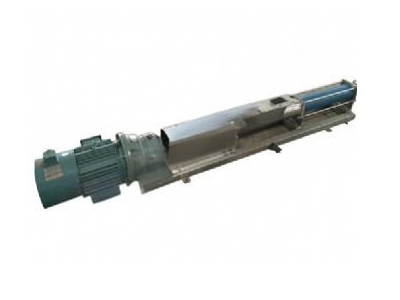
Single-screw pumps play an important role in the oil and gas industry because they are designed to handle challenging fluids with stable flow, low pulsation, and dependable performance. In upstream, midstream, and downstream operations, these pumps are widely used for transferring crude oil, multiphase fluids, produced water, sludges, emulsions, chemical additives, and other viscous or abrasive media. Their ability to move fluid gently and continuously makes them a strong choice for applications where consistent output, solid handling, and energy efficiency are important. This guide provides original, SEO-friendly, industry-focused content on single-screw pump applications in the oil and gas sector. It covers definitions, working principles, major benefits, common use cases, technical specifications, selection factors, and typical installation considerations. The information is written for blog pages, industry pages, category pages, and directory content that needs to be ready for search engine indexing. Single-Screw Pump Applications in Oil and Gas Industry
A single-screw pump is a positive displacement pump that uses a rotating screw and a matching stator to create sealed cavities for fluid movement. As the screw rotates, the fluid is pushed forward in a steady and controlled flow. This design allows the pump to handle viscous, abrasive, and shear-sensitive fluids better than many conventional centrifugal pumps.
In the oil and gas industry, a single-screw pump is often valued for its ability to move fluids that contain gas, solids, or varying viscosity without losing too much performance. Because the flow is smooth and pulsation is low, these pumps are useful where stable transfer is needed across a wide range of operating conditions.
The core operating principle of a single-screw pump is simple but effective. A helical rotor rotates inside an elastomer or metal stator. This creates cavities that travel from the suction side to the discharge side. Fluid is trapped inside these cavities and moved forward without excessive turbulence.
The sealed cavity design helps maintain a constant flow rate and reduces shear stress on the pumped media. This is especially useful for oilfield fluids that may include crude oil, water, sand, polymers, drilling residues, or chemical mixtures. The pump can also operate with high suction lift capability, which is beneficial in field conditions where fluid levels may fluctuate.
Oil and gas processes often involve difficult fluids that are hot, viscous, corrosive, or contaminated with gas and solids. Single-screw pump applications are important because they support reliable transfer in these harsh environments. They help reduce downtime, improve process stability, and handle fluid variations that would challenge standard pumping systems.
In a sector where production efficiency, safety, and maintenance control are essential, the single-screw pump offers an attractive balance of durability, fluid handling flexibility, and low operating pulsation. This makes it suitable for both continuous process duties and intermittent transfer tasks.
| Advantage | Description | Industry Benefit |
|---|---|---|
| Low Pulsation | Produces smooth and steady flow with minimal pressure fluctuation. | Protects pipelines, meters, and downstream equipment. |
| High Viscosity Handling | Performs well with thick, viscous, and heavy fluids. | Useful for crude oil, sludge, and emulsions. |
| Solid Handling Capability | Can transport fluids containing small solids or abrasive particles. | Supports dirty field fluids and produced water applications. |
| Gentle Pumping | Maintains low shear during fluid transfer. | Helps preserve fluid integrity and chemical performance. |
| Self-Priming Ability | Can often start and lift fluid without extensive priming systems. | Useful for field installations and variable suction conditions. |
| Stable Flow Rate | Provides consistent discharge across a wide operating range. | Improves process control and measurement accuracy. |
| Reversible Operation | Many designs can operate in both directions. | Supports transfer, flushing, and maintenance flexibility. |
Single-screw pump applications span the full oil and gas value chain. From upstream production fields to downstream processing units, these pumps are used wherever stable transfer of difficult fluids is needed. The following sections describe the most common application areas in detail.
Crude oil transfer is one of the most common single-screw pump applications in oil and gas. Crude oil may vary greatly in viscosity, temperature, wax content, and entrained solids. A single-screw pump can move heavy crude with relatively stable flow and low shear, which is useful in gathering systems, tank farms, and transfer stations.
In crude transfer service, the pump helps maintain flow consistency and can handle changes in fluid properties caused by temperature fluctuations or composition differences. This makes it suitable for both batch and continuous transfer operations.
Produced water is often contaminated with oil, sand, salts, and chemicals. It is one of the most difficult fluids to move efficiently. Single-screw pumps are used in produced water handling because they can tolerate moderate contamination and provide reliable flow even when the fluid is not clean or uniform.
In production facilities, produced water may be transferred to treatment units, reinjection systems, or disposal systems. The low-pulsation performance of single-screw pumps helps reduce pressure shocks and supports smoother treatment operations.
Oil and gas production often creates multiphase fluids containing oil, water, gas, and solids. These mixtures can be difficult for many pump types. Single-screw pumps are frequently selected for multiphase transfer because they can manage unstable fluid conditions without losing smoothness or efficiency as quickly as some alternative designs.
Multiphase service benefits from the pump’s ability to maintain cavity-based transport. This helps reduce gas locking issues and improves the handling of mixed streams in field applications.
Refineries, terminal sites, and upstream facilities generate oily sludge and waste streams that are often thick, sticky, and abrasive. Single-screw pumps are suitable for sludge transfer because they can move difficult waste materials at a controlled rate.
This application is especially important in tank cleaning, environmental handling, waste recovery, and disposal operations. The pump’s gentle action also helps reduce unnecessary agitation of the material being transferred.
In drilling operations, pumps are required to circulate and transfer mud-like fluids that contain additives, solids, and varying viscosity levels. Single-screw pump applications in drilling support tasks may include mud transfer, additives dosing, and auxiliary circulation systems.
Their solid handling and viscosity tolerance make them useful in support circuits where a steady flow of non-Newtonian or heavily loaded fluid is required.
Oil and gas facilities often use chemicals for corrosion inhibition, scale control, demulsification, foam control, and flow assurance. Single-screw pumps can be used for dosing viscous chemical additives with precision and consistency.
Because these pumps can deliver a stable flow, they are suitable for accurate injection systems where chemical quantity must be controlled carefully. Their low shear action also helps protect sensitive formulations.
Storage terminals and tank farms require pumps that can transfer liquids between tanks, loading systems, and process lines. Single-screw pumps are a practical option for these operations because they handle a wide range of viscosities and maintain reliable flow over long service periods.
In tank farm service, the pump may be used for loading, unloading, circulation, and transfer of residual materials. The ability to run smoothly at different flow rates makes it adaptable to changing terminal demands.
Refinery units often handle heavy oil, residual products, slurries, and intermediate streams. Single-screw pumps are used in various refinery support functions where stable transfer and low shear are important.
Typical refinery uses may include residue transfer, wastewater handling, by-product movement, and feeding downstream treatment systems. These applications benefit from the pump’s resistance to difficult fluid behavior.
| Fluid Type | Typical Characteristics | Why the Pump Is Suitable |
|---|---|---|
| Crude Oil | Viscous, variable composition, may contain wax and solids. | Stable flow and good handling of viscosity changes. |
| Produced Water | Contains oil droplets, salts, sand, and chemicals. | Solid-tolerant and dependable in contaminated service. |
| Multiphase Mixtures | Oil, gas, water, and solids combined in one stream. | Reduced risk of flow instability and gas-related issues. |
| Oily Sludge | Thick, sticky, and abrasive waste material. | Moves heavy waste with controlled displacement. |
| Drilling Mud | Non-Newtonian fluid with solids and additives. | Handles varying viscosity and suspended particles. |
| Chemical Additives | May be viscous, sensitive, or corrosive. | Gentle transfer with accurate dosing capability. |
| Fuel Oil and Residuals | Heavy petroleum products with high viscosity. | Effective for slow, stable transfer. |
The exact specifications of a single-screw pump depend on the application, fluid properties, and operating environment. The table below provides typical specification categories commonly considered in oil and gas projects.
| Specification | Typical Range or Feature | Notes |
|---|---|---|
| Flow Rate | Low to medium, application dependent | Selected based on transfer volume and system demand. |
| Pressure Capability | Moderate to high | Depends on rotor size, stator design, and number of stages. |
| Viscosity Range | Wide range, including very viscous fluids | One of the key strengths of this pump type. |
| Temperature Range | Ambient to elevated process temperatures | Material selection is critical for hot oil service. |
| Solid Content | Moderate solids tolerance | Suitable for dirty field and waste streams. |
| Suction Capability | Good self-priming and suction lift | Useful for variable field conditions. |
| Flow Characteristic | Smooth, low pulsation | Helps protect piping and instrumentation. |
| Material Options | Cast iron, stainless steel, alloy, elastomer stators | Chosen based on fluid chemistry and wear needs. |
| Drive Options | Electric motor, gearbox, variable frequency drive | Speed control improves efficiency and process flexibility. |
| Mounting Styles | Base-mounted, skid-mounted, vertical or horizontal | Depends on site layout and maintenance access. |
Selecting the right single-screw pump for oil and gas service requires a careful review of operating conditions. The best pump is not only the one that meets the flow requirement, but also the one that can handle fluid variation, wear, temperature, and site constraints over time.
| Selection Factor | What to Evaluate | Why It Matters |
|---|---|---|
| Fluid Viscosity | Current and expected viscosity range | Directly affects pump performance and efficiency. |
| Solids Content | Sand, scale, sludge, or other abrasive particles | Impacts wear rate and material choice. |
| Temperature | Operating and startup temperatures | Affects seal performance and stator material selection. |
| Pressure Requirement | Discharge pressure and system backpressure | Ensures the pump can meet process demand. |
| Gas Content | Free gas or entrained gas percentage | Gas handling affects stability and efficiency. |
| Corrosion Risk | Presence of sour fluids, salts, or chemicals | Determines pump metallurgy and coatings. |
| Duty Cycle | Continuous or intermittent operation | Influences maintenance planning and drive selection. |
| Maintenance Access | Space for inspection and parts replacement | Supports reduced downtime and easier servicing. |
In oil and gas applications, the materials used in a single-screw pump must match the properties of the pumped fluid. For corrosive service, stainless steel and alloy components may be preferred. For abrasive fluids, wear-resistant materials and coatings can extend service life. The stator material must also be selected carefully because it is a critical wearing part in many pump designs.
Sealing design is another major consideration. Depending on the pressure, temperature, and fluid properties, the pump may require mechanical seals, packing arrangements, or specialized sealing systems. Proper seal selection helps prevent leakage and maintain safe operation in hazardous environments.
Single-screw pumps are known for several performance characteristics that make them especially relevant to oil and gas industries. Their positive displacement action means the flow rate is generally linked to pump speed, which allows accurate control by using variable speed drives. This makes them suitable for process control, dosing, and transfer duties.
Another important feature is the pump’s ability to maintain efficiency when fluid viscosity changes. In many applications, oilfield fluids are not constant in temperature or composition. A pump that remains stable under these conditions provides better overall reliability and lower risk of process interruption.
Maintenance is an important part of long-term pump performance in oil and gas installations. Because the fluids are often abrasive or corrosive, wear parts should be inspected regularly. Common maintenance tasks include checking the rotor, stator, seals, bearings, coupling, and drive alignment.
Preventive maintenance helps reduce unexpected shutdowns. Operators should monitor vibration, temperature, discharge pressure, flow consistency, and leakage signs to identify early wear. Proper lubrication and correct installation alignment also contribute to better service life.
Single-screw pumps perform best when the system is designed with the fluid characteristics in mind. Suction piping should be arranged to minimize air pockets and excessive resistance. For viscous or settling fluids, short and direct suction lines are often preferred. When handling abrasive media, piping materials and line velocities should be reviewed carefully.
The pump should also be installed with sufficient access for inspection and repair. In oil and gas sites, skid-mounted layouts are common because they simplify installation and servicing. Control systems may include variable frequency drives, pressure sensors, temperature monitoring, and flow measurement to improve operating flexibility.
| Pump Type | Main Strength | Typical Limitation Compared to Single-Screw Pump |
|---|---|---|
| Centrifugal Pump | High flow with simple design | Less effective with high viscosity and mixed solids. |
| Gear Pump | Good for viscous liquids | May be less tolerant of solids and abrasive wear. |
| Diaphragm Pump | Strong chemical resistance | Often lower smoothness and different flow characteristics. |
| Progressing Cavity Pump | Positive displacement and viscous-fluid handling | Single-screw pumps may offer simpler handling in certain field duties. |
| Peristaltic Pump | Excellent for corrosive slurries | Not always suitable for continuous high-duty oil transfer. |
For search engine optimization, content about single-screw pump applications in the oil and gas industry should include relevant industry phrases naturally throughout the page. Useful keyword themes include: single-screw pump applications, oil and gas pump solutions, crude oil transfer pump, produced water pump, multiphase fluid pump, sludge transfer pump, positive displacement pump for oilfield service, viscous fluid pumping, low pulsation pump, and self-priming industrial pump.
Strong SEO structure also depends on clear headings, semantic HTML, tables, lists, and content depth. Pages that explain real use cases, technical features, and selection criteria are more likely to perform well in search results because they answer both informational and commercial-intent queries.
| Term | Meaning |
|---|---|
| Positive Displacement Pump | A pump that moves a fixed amount of fluid with each cycle or rotation. |
| Self-Priming | The ability of a pump to remove air and begin pumping without external priming assistance. |
| Low Pulsation | Flow with minimal pressure fluctuation, supporting smooth downstream operation. |
| Viscous Fluid | A thick fluid that resists flow, such as heavy crude or oily sludge. |
| Multiphase Flow | A mixture of oil, gas, water, and solids flowing together. |
| Solids Tolerance | The ability of a pump to handle particles without severe damage or clogging. |
| Flow Assurance | Measures used to keep fluids moving reliably through production systems. |
Single-screw pump applications in the oil and gas industry are wide-ranging and highly practical. These pumps provide smooth, low-pulsation flow for difficult fluids such as crude oil, produced water, sludge, drilling mud, multiphase streams, and chemical additives. Their strengths include viscosity tolerance, solid handling, self-priming capability, and reliable performance in harsh operating environments.
Whether used in upstream production, midstream transfer, or downstream processing, the single-screw pump remains a valuable pumping solution for oil and gas operations that require consistent flow, reduced shear, and dependable handling of challenging media. For SEO-focused industrial content, this topic offers strong search relevance because it connects technical utility with real-world operational demand.

Copyright ? Jiangsu Longjie Pump Manufacturing Co., Ltd.



 Phone
Phone
Comment
(0)