How to Maintain the Stator in Your Screw Pump for Optimal Performance
Proper screw pump stator maintenance is essential for keeping pumping systems efficient, reliable, and cost-effective. The stator is one of the most critical wear components in a screw pump, and its condition directly affects flow consistency, pressure stability, energy consumption, and service life. If you want your pump to deliver optimal performance, reduce downtime, and protect downstream equipment, routine stator inspection and maintenance should be part of your standard operating plan.
This guide explains what a screw pump stator is, why it matters, how to maintain it, what warning signs to watch for, and which maintenance practices help extend service life. The content below is written for industrial users, maintenance teams, buyers, engineers, and technical content pages that need SEO-friendly, original, and structured information for Google indexing.
What Is a Screw Pump Stator?
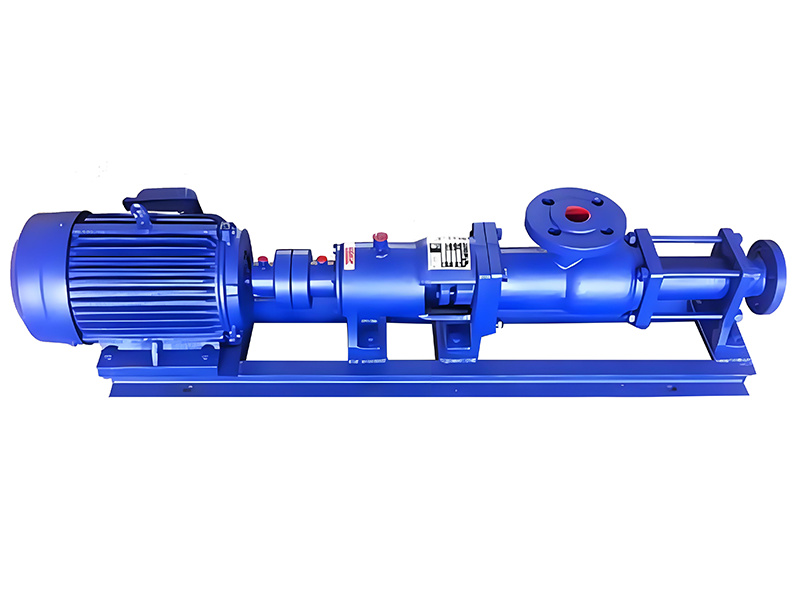
A screw pump stator is the stationary internal component that works together with the rotor to move fluid through the pump. In many progressive cavity screw pumps, the rotor rotates inside the stator to create sealed cavities that transport liquid from the inlet to the outlet. The stator is typically made from an elastomer or other resilient material bonded to a metal housing. Its internal shape is precision-engineered to match the rotor profile.
Because the stator is in continuous contact with the rotating rotor, it experiences friction, compression, heat, chemical exposure, and mechanical wear. Over time, these conditions can lead to swelling, hardening, cracking, abrasion, or loss of elasticity. When this happens, pump efficiency drops and maintenance costs rise. That is why screw pump stator maintenance is a key topic for any plant using Progressive cavity pumps, single screw pumps, or similar positive displacement pumping systems.
Why Stator Maintenance Matters
The stator affects nearly every performance metric of a screw pump. A healthy stator helps maintain a tight seal between the rotor and the pumping cavity, allowing the pump to deliver stable flow at the designed pressure. A worn or damaged stator can cause internal slip, reduced volumetric efficiency, pulsation, overheating, and even complete pump failure.
Good stator maintenance provides several important benefits:
- Improves pump efficiency and output consistency
- Reduces unplanned shutdowns and emergency repairs
- Extends the service life of the screw pump assembly
- Protects downstream process equipment from contamination or pressure fluctuation
- Reduces energy consumption by minimizing internal leakage and drag
- Supports safer and more predictable industrial operations
Common Causes of Stator Wear
Understanding the root causes of wear is the first step in effective screw pump stator maintenance. Stator deterioration rarely happens for just one reason. In most applications, multiple operating conditions contribute to gradual damage.
| Cause of Stator Wear | Description | Typical Result |
| Abrasive particles | Sand, grit, solids, or suspended particles in the fluid can scrape the stator surface | Surface erosion, reduced sealing, faster wear |
| Chemical incompatibility | Fluid chemicals may attack or swell the stator elastomer | Softening, swelling, hardening, cracking |
| Dry running | Running the pump without sufficient fluid lubrication generates heat and friction | Overheating, burning, accelerated failure |
| Excessive temperature | High fluid or ambient temperatures can degrade stator materials | Loss of elasticity, deformation |
| Overpressure | Operating beyond design limits increases stress on the rotor-stator interface | Compression damage, tearing, premature wear |
| Poor alignment | Misalignment between drive components or pump sections creates uneven loading | Localized wear, vibration, seal issues |
| Improper startup and shutdown | Sudden starts, stops, or reverse flow can shock the stator | Mechanical stress, fatigue, reduced lifespan |
How to Maintain the Stator in Your Screw Pump
Effective stator maintenance is not limited to replacing the part after failure. It includes inspection, cleaning, operating control, condition monitoring, and preventive replacement planning. The following practices help maintain optimal screw pump performance.
1. Inspect the Stator Regularly
Routine inspection is one of the simplest and most effective maintenance methods. Check the stator at scheduled intervals based on duty cycle, fluid type, pressure load, and solids content. During inspection, look for visible wear, deformation, cracking, swelling, discoloration, or surface damage.
For systems running in abrasive, corrosive, or high-temperature environments, inspections should be more frequent. A regular inspection program can detect early warning signs before performance loss becomes severe.
2. Monitor Pump Performance Trends
A failing stator often shows up in the process before it becomes visible. Watch for a drop in flow rate, unstable pressure, higher power consumption, increased vibration, unusual noise, or higher discharge pulsation. These symptoms may indicate that the rotor-stator sealing surface is no longer performing as designed.
Tracking trends over time is more useful than relying on a single reading. Compare current values with baseline operating data to identify gradual deterioration.
3. Prevent Dry Running
Dry running is one of the fastest ways to damage a screw pump stator. Without sufficient fluid in the cavity, the rotor and stator generate excessive heat and friction. This can permanently damage elastomeric materials and shorten service life dramatically.
To reduce dry running risk, use proper startup procedures, level sensors, inlet monitoring, priming methods, and operator training. Never run the pump without confirming that fluid is present and the system is properly prepared.
4. Keep Fluid Conditions Within Design Limits
The stator should be selected and maintained according to the actual process fluid. Temperature, viscosity, pH, abrasiveness, and chemical composition all affect stator life. If operating conditions change, the stator may need different material compatibility or revised maintenance intervals.
For best results, ensure that the pump is operating within the specified pressure, temperature, and speed range. Exceeding design limits can create excessive compression and heat buildup at the rotor-stator interface.
5. Clean the Pump and Surrounding Components
Dirt, buildup, and process residue around the pump can interfere with maintenance checks and sometimes contribute to contamination during service. Keep the pump exterior, connections, and adjacent areas clean. During planned shutdowns, clean accessible internal components according to standard procedures.
Cleanliness also helps maintenance teams detect oil leaks, seal issues, mounting problems, and early mechanical wear.
6. Use Correct Startup and Shutdown Procedures
Sudden starts and stops can cause pressure shock and mechanical stress. Always follow a controlled sequence when starting or stopping the pump. Make sure the inlet is primed, the discharge line is ready, and any isolation valves are set correctly.
Soft-start systems, speed control drives, and operational interlocks can help reduce damage from poor startup practices. This is especially important in large systems or applications with viscous or abrasive media.
7. Check for Misalignment and Mechanical Stress
If the drive train or pump assembly is misaligned, the stator may wear unevenly. Misalignment creates abnormal forces, vibration, and heat, all of which shorten service life. Verify alignment during installation and after any major maintenance event.
Also inspect couplings, bearings, mounting hardware, and support structures. Mechanical problems elsewhere in the pump system often show up as stator wear.
8. Replace Wear Parts on Time
The stator is a wear component, not a permanent part. Replacing it at the correct time helps avoid breakdowns and secondary damage. Waiting until complete failure can damage the rotor, increase maintenance cost, and stop production unexpectedly.
Establish replacement intervals based on runtime, output decline, fluid severity, and past failure history. Preventive replacement is often more economical than emergency repair.
Warning Signs of a Worn Screw Pump Stator
Recognizing the symptoms of stator wear early can save time and money. The following signs usually indicate that the stator is losing performance:
| Warning Sign | Possible Meaning | Recommended Action |
| Reduced flow output | Internal leakage or loss of sealing fit | Inspect stator wear and clearances |
| Pressure instability | Inconsistent cavity sealing or fluid slip | Check stator condition and operating speed |
| Unusual noise | Excess friction, dry running, or mechanical stress | Stop pump and inspect immediately |
| High power consumption | Increased drag, misalignment, or wear | Review load conditions and internal condition |
| Visible cracking or swelling | Chemical attack, heat damage, or age-related degradation | Schedule stator replacement |
| Vibration increase | Uneven wear or rotor-stator interference | Inspect alignment and cavity condition |
| Fluid leakage at the pump | Seal wear or internal pressure issues | Check seals, stator, and system pressure |
Best Practices for Extending Stator Service Life
Extending stator life is a major goal of preventive maintenance. When a pump stator lasts longer, total operating cost decreases and process stability improves. The following best practices are widely used in industrial pumping systems.
- Select the right stator material for the fluid being pumped.
- Operate within design speed and pressure limits to avoid overloading.
- Avoid prolonged dry running and ensure proper priming.
- Filter or screen abrasive solids where process conditions allow.
- Maintain correct alignment during installation and after service.
- Use condition-based maintenance rather than waiting for failure.
- Record operating hours and maintenance history for better planning.
- Train operators to recognize early warning symptoms.
Typical Stator Inspection Checklist
A standardized checklist improves consistency and helps maintenance teams make faster, more reliable decisions. Below is a practical example of a screw pump stator inspection checklist.
| Inspection Item | Check Method | Pass / Warning Indicator |
| Visual condition | Inspect for cracks, swelling, cuts, or discoloration | Surface should be intact and uniform |
| Elasticity | Assess material firmness and flexibility | Should not feel brittle, hardened, or overly soft |
| Internal wear pattern | Check for uneven contact or grooves | Wear should be minimal and even |
| Temperature history | Review operating records and heat exposure | Should remain within approved range |
| Fluid compatibility | Verify chemical exposure against material rating | Material must match process media |
| Leakage signs | Look for discharge leakage or seal contamination | No abnormal leakage should be present |
| Performance trend | Compare current flow/pressure to baseline | Should remain close to design values |
Material Considerations for Screw Pump Stators
Stator material selection is closely tied to maintenance performance. Different elastomers and composite materials offer different levels of resistance to abrasion, chemicals, temperature, and wear. The ideal material depends on the pumped medium and process conditions.
| Material Type | Main Advantage | Common Use Case |
| NBR-based elastomer | Good oil resistance and general-purpose performance | Oils, wastewater, moderate industrial fluids |
| EPDM-based elastomer | Strong resistance to water, steam, and some chemicals | Water treatment, light chemical service |
| FKM-based elastomer | High chemical and temperature resistance | Aggressive fluids, elevated temperature service |
| Natural rubber-based material | Excellent abrasion resistance | Slurries, solids-laden fluids, mining applications |
| Specialty engineered compounds | Balanced resistance for demanding applications | Custom industrial process environments |
Operating Parameters That Affect Stator Life
To maintain optimal screw pump performance, operators should understand the main operating parameters that influence stator wear. Small changes in these parameters can significantly affect reliability.
| Parameter | Effect on Stator | Maintenance Focus |
| Speed | Higher speed increases friction and heat | Run at the lowest effective speed |
| Pressure | Excess pressure compresses the stator more heavily | Stay within pump design limits |
| Temperature | Heat can soften or degrade elastomer material | Monitor fluid and ambient temperature |
| Solids content | Abrasive solids accelerate internal wear | Filter or manage solids where possible |
| Viscosity | Very thick fluids may raise load and torque | Adjust speed and check motor load |
| Chemical exposure | Incompatible fluids can swell or degrade material | Match stator material to process chemistry |
Maintenance Schedule Guidelines
The ideal maintenance schedule depends on application severity, but most industrial users benefit from a planned routine. The schedule below provides a general reference for screw pump stator maintenance.
| Interval | Suggested Maintenance Task |
| Daily | Check flow, pressure, noise, vibration, and visible leakage |
| Weekly | Inspect exterior condition, mounting, and basic operating trends |
| Monthly | Review alignment, temperature, motor load, and performance history |
| Quarterly | Perform more detailed inspection of wear patterns and system condition |
| Annually | Plan internal inspection, preventive replacement review, and full service checks |
| As needed | Replace stator if wear, damage, or chemical deterioration is detected |
Benefits of Preventive Stator Maintenance
Preventive maintenance offers measurable business and operational advantages. Instead of reacting to failures, a maintenance-first approach protects productivity and reduces cost exposure.
- Higher uptime: Fewer unexpected shutdowns and process interruptions
- Lower repair costs: Less chance of rotor damage or secondary component failure
- Better process control: More stable flow and pressure output
- Longer equipment life: Improved durability across the entire pump assembly
- Improved energy efficiency: Reduced overload conditions and internal slip
- Safer operation: Lower risk of overheating, leakage, and mechanical problems
Common Maintenance Mistakes to Avoid
Even experienced users can shorten stator life by following poor maintenance practices. Avoid these common mistakes:
- Ignoring early signs of wear
- Running the pump dry during startup or testing
- Using a stator material not compatible with the fluid
- Overlooking alignment after part replacement
- Operating continuously above the recommended pressure
- Delaying replacement until complete failure occurs
- Failing to document operating hours and inspection results
Frequently Asked Questions About Screw Pump Stator Maintenance
How often should a screw pump stator be inspected?
Inspection frequency depends on duty severity, fluid abrasiveness, chemical exposure, and runtime. In many industrial applications, visual and performance checks are done daily or weekly, while deeper inspections are performed monthly, quarterly, or during planned shutdowns.
What is the most common reason for stator failure?
The most common reasons include abrasive wear, dry running, chemical incompatibility, and excessive temperature. In many cases, multiple factors contribute to the final failure.
Can a worn stator be repaired?
In most cases, a worn stator is replaced rather than repaired. Because the stator is a precision wear component, replacement is usually the safest and most economical solution.
How do I know when to replace the stator?
Replace the stator when flow decreases, pressure becomes unstable, wear is visible, vibration rises, or process conditions indicate loss of performance. Preventive replacement is often best before full failure occurs.
Conclusion
Learning how to maintain the stator in your screw pump is one of the most effective ways to improve reliability, reduce energy waste, and extend equipment life. A well-maintained stator supports stable fluid transfer, better pump efficiency, and lower operating costs. By inspecting regularly, preventing dry running, controlling process conditions, and replacing worn components on time, you can achieve optimal performance from your screw pump system.
Whether the pump is used in wastewater treatment, chemical processing, food production, oil handling, mining, or general industrial service, consistent screw pump stator maintenance remains essential. A proactive approach helps avoid unexpected downtime and ensures the pump continues to perform at a high level over the long term.






 Phone
Phone
Comment
(0)