

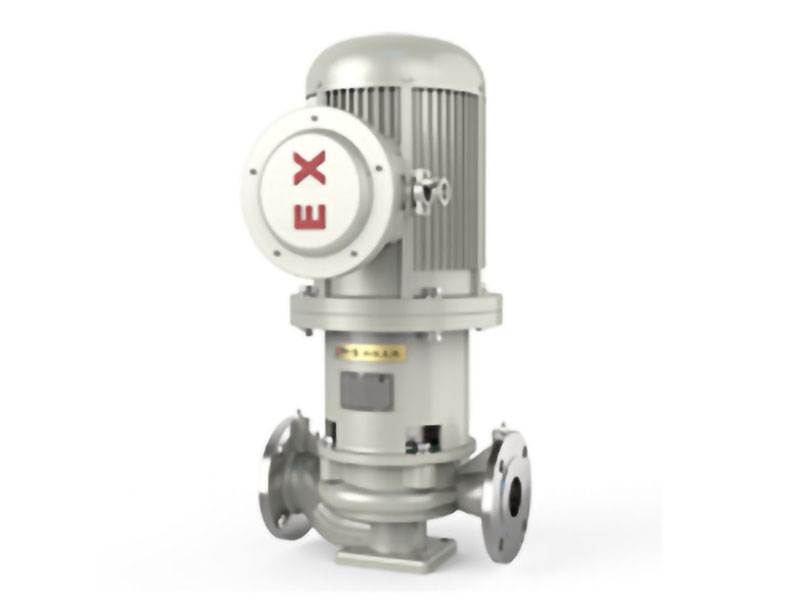
A sludge screw pump is a highly reliable industrial pumping solution designed to handle thick, abrasive, viscous, and solids-laden media in wastewater treatment, sludge transfer, chemical processing, food production, mining, and other demanding applications. When properly maintained, a sludge screw pump can deliver consistent flow, stable pressure, reduced downtime, and a long service life. However, because sludge pumps are exposed to highly challenging operating conditions, sludge screw pump maintenance is essential for protecting efficiency, minimizing wear, and preventing unexpected failures.
This guide explains how to maintain your sludge screw pump for long-term performance using practical, SEO-friendly, industry-standard information. It includes definitions, benefits, maintenance tips, inspection schedules, troubleshooting guidance, technical parameters, and a comparison table that can be used directly in a blog post, directory page, or industry content page. The information below is general and does not recommend any specific brand or manufacturer.
A sludge screw pump is a positive displacement pump that uses a rotating screw, helical rotor, or screw-based internal mechanism to move sludge and other high-viscosity fluids. It is especially suitable for materials that contain solids, fibers, suspended particles, or non-newtonian properties. Unlike centrifugal pumps, which rely on speed and impeller force, a screw pump moves fluid in a more controlled and steady manner.
In many industrial systems, sludge screw pumps are used to transport thick sludge from clarifiers, digesters, tanks, basins, and storage pits. They are valued for their strong suction capability, smooth flow, reduced pulsation, and ability to handle difficult media without excessive turbulence.
Regular maintenance is critical because sludge and slurry applications create unique operating challenges. Abrasive solids can wear internal components, fibrous materials can cause blockages, and dry running can damage seals or pumping elements. Without a preventive maintenance plan, a sludge screw pump may suffer from reduced discharge capacity, increased power consumption, leakage, vibration, overheating, or premature failure.
Proper sludge screw pump maintenance helps to:
| Advantage | Description | Operational Benefit |
|---|---|---|
| Stable Flow | Maintains smooth and continuous sludge transport | Improves process consistency |
| High Efficiency | Reduces internal wear and friction losses | Lowers energy consumption |
| Longer Service Life | Prevents early component failure | Extends equipment lifespan |
| Lower Downtime | Reduces unexpected shutdowns and emergency repairs | Improves productivity |
| Better Solids Handling | Preserves the pump’s ability to move thick and abrasive media | Supports demanding applications |
| Safer Operation | Identifies issues before they become critical | Reduces risk of leaks and failures |
Sludge screw pumps are widely used wherever dense fluids or sludge must be transferred reliably. Typical applications include:
A sludge screw pump operates by creating sealed chambers between the screw and the pump housing. As the screw rotates, these chambers move the sludge from the inlet to the discharge side. This design provides a steady, low-pulsation transfer and can manage high-viscosity or solids-rich fluids more effectively than many other pump types.
Because sludge is often uneven in consistency, the pump must maintain proper clearances, lubrication, and mechanical integrity. If internal components wear too much, performance may drop, and the pump may lose the ability to build pressure effectively. That is why routine inspection and preventive sludge screw pump maintenance are essential.
Daily inspection is one of the simplest and most effective maintenance steps. Before and after operation, check for unusual noise, leakage, vibration, overheating, and changes in flow rate. Look around the shaft seal, connections, base frame, and housing for signs of sludge buildup or fluid escaping from the pump.
Daily checks help operators detect early signs of wear before they become major failures. In sludge applications, even a small abnormality can indicate a bigger issue such as seal deterioration, blocked suction, or bearing overload.
Tracking operating parameters is a vital part of sludge screw pump maintenance. If pressure drops, flow decreases, or motor current rises unexpectedly, the pump may be experiencing internal wear, partial blockage, or mechanical resistance. These changes should be recorded and compared to normal baseline values.
Long-term performance depends on stable operating data. Continuous monitoring can reveal whether the pump is functioning within its design conditions or being pushed beyond its ideal range.
Sludge screw pumps can handle solids, but oversized debris, rags, metal pieces, and fibrous waste can cause plugging or component damage. Keep the suction pit, hopper, inlet piping, and upstream screens clean to reduce contamination.
Good inlet management improves pumping reliability and protects the screw mechanism from unnecessary impact and abrasion. In many systems, proper pretreatment is just as important as pump maintenance itself.
Seals are among the most vulnerable parts in any sludge pump system. Because sludge is abrasive and often chemically aggressive, seals may wear faster than in clean-fluid applications. Inspect seals for signs of leakage, cracking, hardening, or contamination.
Replacing worn seals on schedule helps prevent fluid loss, environmental contamination, and damage to adjacent components. Seal condition should always be checked during routine shutdowns.
Bearings support the rotating components and must remain properly lubricated to avoid heat buildup and premature wear. Use the correct lubricant type and follow the recommended lubrication interval. Over-lubrication can also cause problems, so grease quantity should be controlled carefully.
Bearings should be checked for noise, heat, and abnormal vibration. If any of these symptoms occur, inspect the lubrication condition immediately.
Misalignment between the motor and pump can increase vibration, reduce efficiency, and shorten component life. Regularly inspect coupling alignment and condition, especially after maintenance work, replacement of parts, or foundation movement.
Proper alignment is a major factor in long-term sludge screw pump performance. It helps reduce stress on shafts, bearings, seals, and couplings.
Dry running occurs when the pump operates without enough fluid for cooling and lubrication. In sludge pumping systems, dry running can damage seals, increase heat, and accelerate wear. Always ensure that the suction side is adequately fed before startup.
Install protective controls where possible, such as level switches, dry-run sensors, or automatic shutdown systems. Preventing dry running is one of the most important ways to protect sludge screw pumps.
Depending on the sludge type, periodic flushing may be needed to remove accumulated solids, deposits, or sticky residues. Flushing is especially important in systems that operate intermittently or handle materials prone to hardening.
A proper flushing procedure helps maintain clear internal passages and reduces clogging risks. Use a flushing fluid compatible with the process and follow plant safety rules.
The rotor, screw, stator, or internal conveying components experience continuous friction and abrasion during operation. Over time, these parts can lose dimensional accuracy, which affects flow, pressure, and pumping efficiency.
Measure wear parts periodically and compare them to allowable tolerances. Replace components before wear becomes severe enough to damage the housing or other expensive parts.
The pump is only as reliable as its drive system. Inspect the motor, drive belts, variable frequency drive, overload protection, and wiring for signs of overheating, loose connections, or abnormal electrical behavior. If the pump speed is controlled electronically, verify that the settings match process requirements.
Stable motor performance supports steady sludge screw pump operation and helps prevent overload conditions.
The following schedule provides a general guideline for sludge screw pump maintenance. Actual intervals may vary based on sludge characteristics, daily runtime, temperature, load, and process severity.
| Maintenance Interval | Tasks | Purpose |
|---|---|---|
| Daily | Check leakage, noise, vibration, pressure, flow, and temperature | Detect early abnormalities |
| Weekly | Inspect inlet cleanliness, coupling condition, and basic fasteners | Prevent blockage and mechanical looseness |
| Monthly | Review lubricant condition, bearing temperature, motor load, and seal wear | Maintain mechanical reliability |
| Quarterly | Inspect alignment, wear parts, internal clearances, and control system settings | Protect pumping efficiency |
| Semi-Annually | Perform deeper inspection of pump internals, flushing system, and electrical components | Support long-term performance |
| Annually | Plan major maintenance, replace worn components, calibrate sensors, and document service history | Extend service life and reduce failure risk |
Recognizing warning signs early can prevent serious damage. Common symptoms of maintenance issues include:
If any of these symptoms appear, the pump should be inspected immediately. Delaying maintenance may result in higher repair costs and longer downtime.
To achieve long-term performance, operators should combine routine maintenance with correct system design and proper operating habits. The following best practices can significantly improve reliability:
These best practices are important because sludge pumping conditions often vary from plant to plant. The more accurately the pump is matched to the application, the easier it is to maintain stable long-term output.
The table below shows typical specification categories for a sludge screw pump. Actual values depend on design, application, and process requirements.
| Specification Item | Typical Range or Description |
|---|---|
| Pump Type | Positive displacement screw pump |
| Primary Media | Sludge, slurry, viscous liquids, solids-laden fluids |
| Flow Rate | Application-dependent, from low to high capacity |
| Pressure Capability | Moderate to high, depending on design |
| Viscosity Handling | Suitable for high-viscosity materials |
| Solids Handling | Designed for suspended solids and fibrous content |
| Drive Options | Electric motor, geared drive, variable speed control |
| Seal Type | Mechanical seal, packing seal, or application-specific sealing system |
| Materials of Construction | Cast iron, stainless steel, alloy components, wear-resistant materials |
| Maintenance Focus | Lubrication, alignment, seal inspection, wear part replacement |
Understanding how a sludge screw pump compares with other pump types can help explain why maintenance is so important. Screw pumps are often preferred in sludge service because they provide steady flow and handle difficult media more effectively than many centrifugal pumps. However, they still require disciplined care.
| Pump Type | Main Strength | Typical Limitation | Maintenance Focus |
|---|---|---|---|
| Sludge Screw Pump | Handles viscous, solids-rich sludge with stable flow | Wear from abrasion and solids | Alignment, lubrication, seal and wear-part inspection |
| Centrifugal Pump | Good for low-viscosity liquids | Less effective with thick sludge | Impeller wear, clogging prevention, seal care |
| Progressive cavity pump | Handles high-viscosity fluids well | Stator wear and sensitivity to dry running | Rotor/stator monitoring and lubrication |
| Diaphragm Pump | Can handle abrasive slurry | Pulsating flow and air requirements | Diaphragm and valve maintenance |
Premature failure usually results from operating conditions, installation problems, or poor maintenance practices. The most common causes include:
Most of these problems can be reduced through routine inspection and a structured preventive maintenance program. In industrial practice, maintenance discipline is often the difference between a pump that lasts for years and one that fails early.
| Problem | Possible Cause | Suggested Action |
|---|---|---|
| No Flow or Very Low Flow | Blockage, dry running, worn screw parts, insufficient feed | Check suction line, clear obstruction, inspect internals |
| Leakage at Seal | Seal wear, misalignment, contamination | Inspect and replace seal, verify alignment |
| High Vibration | Misalignment, bearing wear, loose foundation | Tighten mounts, check alignment, inspect bearings |
| Overheating | Dry running, lubrication failure, overload | Stop pump, verify lubrication and operating conditions |
| Excessive Power Use | Blockage, high solids load, mechanical friction | Inspect system resistance and wear components |
| Frequent Clogging | Oversized debris, poor pretreatment, unsuitable piping | Improve screening and cleaning procedures |
Use the checklist below as a general reference for daily and periodic sludge screw pump maintenance.
The following keywords and phrases are commonly associated with sludge screw pump maintenance, industrial sludge transfer, and long-term pump performance:
Maintaining a sludge screw pump for long-term performance requires a preventive and systematic approach. Because sludge systems operate under harsh conditions, the pump must be monitored, cleaned, lubricated, aligned, and inspected on a regular basis. When operators follow a clear maintenance schedule and respond quickly to early warning signs, the pump can deliver stable performance, reduced downtime, and a much longer service life.
Whether used in wastewater treatment, industrial sludge transfer, or solids-handling applications, a well-maintained sludge screw pump remains one of the most dependable solutions for moving thick and difficult media. By applying the practices outlined above, plants can improve efficiency, protect critical equipment, and support continuous operation.
Related Topic: sludge screw pump maintenance, long-term pump performance, industrial sludge transfer, pump inspection schedule, pump wear prevention, positive displacement pump care.

Copyright ? Jiangsu Longjie Pump Manufacturing Co., Ltd.



 Phone
Phone
Comment
(0)