

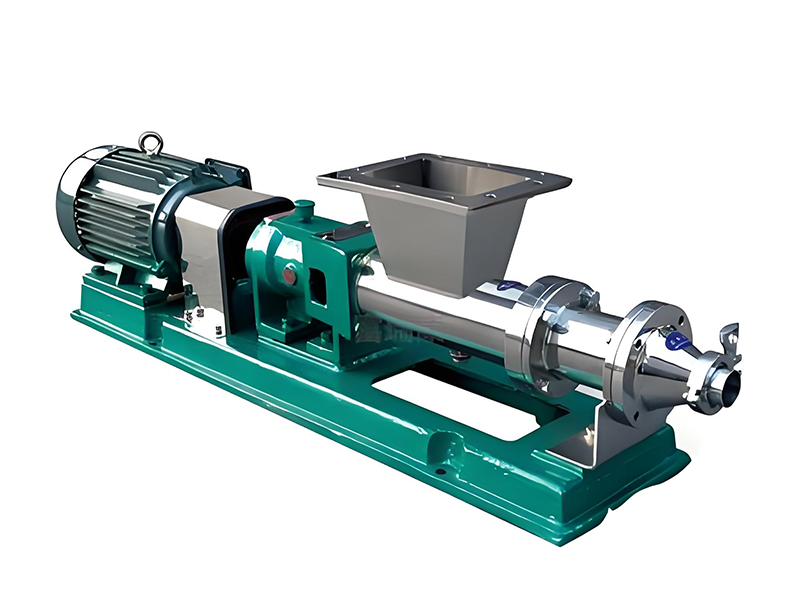
How a Screw Pump Stator Impacts Fluid Flow Rates
A screw pump stator plays a central role in determining how efficiently a Progressive cavity pump or screw pump moves fluid through a system. For engineers, plant managers, maintenance teams, and procurement specialists, understanding the relationship between the screw pump stator and fluid flow rate is essential for selecting the right pumping solution, optimizing performance, and reducing downtime. The stator is not just a passive housing component. It is the elastic or rigid internal element that works together with the rotor to create sealed cavities, control pressure build-up, and regulate the movement of liquid, slurry, or viscous material.When discussing how a screw pump stator impacts fluid flow rates, it is important to consider several factors: stator material, geometry, tolerances, pressure capability, fluid viscosity, temperature, wear resistance, and compatibility with the pumped medium. These technical variables directly affect volumetric efficiency, slip, suction performance, discharge stability, and overall pumping capacity. A well-matched stator can improve flow consistency and energy efficiency, while a poorly selected stator can lead to cavitation, leakage, premature wear, reduced output, and unstable operating conditions.This article provides a detailed, SEO-friendly overview of the screw pump stator, its definition, working principle, flow rate influence, benefits, selection criteria, common specifications, and application considerations. It is written as a general industry resource for use in blogs, category pages, product knowledge sections, and technical landing pages.---What Is a Screw Pump Stator?
A screw pump stator is the stationary internal component of a screw pump or progressive cavity pump that forms a sealed pumping chamber with the rotating screw rotor. In many designs, the stator is made from an elastomer or another wear-resistant material bonded to a rigid metal body. Its inner profile is carefully shaped to match the rotor helix, allowing fluid to move in a controlled and continuous manner.The stator’s main function is to provide a precise cavity geometry that traps fluid and transports it from the suction side to the discharge side. As the rotor turns, the cavities formed between the rotor and stator move forward in a linear path. This action creates a smooth, low-pulsation flow that is especially suitable for viscous liquids, abrasive slurries, shear-sensitive products, and fluids containing solids.Because the screw pump stator is responsible for the sealing interface, even small changes in its material condition, fit, or geometry can affect flow rate and pump efficiency. In practical terms, the stator determines how much fluid can be moved per revolution, how much internal slip occurs, and how well the pump maintains output under varying pressure conditions.---How a Screw Pump Stator Affects Fluid Flow Rates
The impact of a screw pump stator on fluid flow rates can be explained through the interaction between cavity formation, sealing quality, and operating conditions. A properly designed stator supports the rotor in creating a consistent sequence of sealed chambers. These chambers move fluid forward without significant backflow, enabling predictable output.Several mechanisms explain this relationship:1. Cavity Seal Integrity The stator surface must maintain close contact with the rotor to form effective seals. If the fit is too loose, fluid slips backward between cavities, reducing flow rate. If the fit is too tight, friction and wear increase, which can also lower efficiency.2. Geometric Accuracy The internal profile of the stator must match the rotor profile precisely. Any deviation in shape can alter cavity volume and reduce volumetric efficiency.3. Material Elasticity Elastomeric stators provide flexibility and sealing capability. This flexibility helps maintain contact under varying pressures, but excessive deformation can increase heat or wear. Rigid stators, by contrast, may offer durability in certain environments but need tighter machining tolerances.4. Wear Over Time As the stator wears, sealing gaps widen and flow rate declines. This is one of the most common reasons for performance loss in screw pump systems.5. Temperature Effects Elastomer materials can expand, soften, harden, or degrade at different temperatures. These changes alter the internal fit between rotor and stator and can affect flow rate significantly.6. Fluid Properties Viscosity, solids content, chemical composition, and lubricity all influence how the stator performs. Some fluids help reduce wear and improve sealing, while others accelerate degradation.In short, the screw pump stator affects fluid flow rates by controlling the geometry and integrity of the pumping chambers. The better the stator maintains its shape and sealing function, the more stable and efficient the flow rate will be.---Core Factors That Influence Flow Rate Performance
1. Stator Material
The stator material has one of the strongest effects on flow rate behavior. Common materials include natural rubber, nitrile rubber, EPDM, FKM, and other engineered elastomers. Each material offers different levels of chemical resistance, temperature tolerance, abrasion resistance, and elasticity.- Higher elasticity helps maintain sealing under variable conditions.- Better chemical resistance prevents swelling, hardening, or cracking.- Improved abrasion resistance extends service life in slurry and solids-handling applications.When the stator material is not compatible with the fluid, flow rates may decline due to swelling, shrinkage, surface damage, or poor sealing.2. Rotor-to-Stator Fit
The fit between rotor and stator is critical. A pump with incorrect clearance may experience poor volumetric efficiency. If the fit is too tight, torque demand increases and the system may overheat. If too loose, the fluid can slip through the gaps, lowering output.3. Pressure Differential
As discharge pressure increases, internal slip may also increase if the stator cannot maintain adequate sealing. This can reduce actual flow rate compared with theoretical flow rate. In high-pressure systems, stator design and material choice become even more important.4. Fluid Viscosity
Viscous fluids generally improve sealing because they reduce internal slip. However, very high viscosity can increase torque requirements and stress the stator. Low-viscosity fluids are more prone to leakage and flow loss if the stator fit is not optimal.5. Abrasiveness and Solids Content
Fluids containing sand, fibers, or suspended solids can wear the stator surface over time. As the surface degrades, cavity sealing becomes less effective and flow rate drops. Abrasive service applications often require specialized stator compounds.6. Operating Speed
Pump speed directly affects flow rate. However, higher speed also increases friction, wear, and heat generation. The stator must be capable of maintaining sealing performance at the selected operating speed.7. Temperature
Temperature can change stator dimensions and mechanical properties. In some applications, heat causes elastomers to soften and lose shape, reducing sealing performance. In others, low temperatures can harden the stator and increase wear or resistance.---Volumetric Efficiency and Screw Pump Stator Performance
One of the most important concepts related to screw pump stator and flow rate is volumetric efficiency. Volumetric efficiency refers to the actual amount of fluid delivered compared with the theoretical amount the pump should move based on displacement.A high-quality stator improves volumetric efficiency by:- Maintaining tight internal sealing- Reducing backflow between cavities- Preserving chamber volume accuracy- Supporting stable pressure handling- Minimizing slip at higher discharge pressuresAs stator wear increases, volumetric efficiency declines. This means that even if the motor speed remains constant, actual flow rate may decrease. In many systems, a decrease in flow rate is one of the earliest signs that the stator is wearing out.---Advantages of a Well-Matched Screw Pump Stator
A properly selected and maintained screw pump stator offers several performance advantages:- Stable flow rate under varying operating conditions- Low pulsation, which reduces vibration and system stress- Strong handling of viscous fluids- Good solids-handling capability- Reduced risk of leakage and backflow- Improved energy efficiency- Longer service life when matched to the application- Lower maintenance frequency- Reliable performance in demanding process environmentsThese advantages make the screw pump stator an essential component in industries such as wastewater treatment, oil and gas, food processing, chemical transfer, mining, and construction materials handling.---Signs That the Stator Is Affecting Flow Rate
A decrease in pump output is often linked to stator wear or mismatch. Common signs include:- Lower-than-expected flow rate- Fluctuating discharge pressure- Increased motor load or torque- Excessive heat generation- Audible noise or unusual vibration- Visible leakage or reduced suction performance- Higher power consumption- Product quality inconsistency in process applicationsThese symptoms suggest that the stator may no longer provide proper sealing or cavity control.---Table 1: Common Stator Material Types and Their Flow Rate Impact
| Stator Material | Typical Characteristics | Flow Rate Impact | Common Use Cases ||---|---|---|---|| Natural Rubber | Good elasticity, moderate abrasion resistance | Strong sealing, good flow stability in general service | Water-based fluids, mild slurries || Nitrile Rubber (NBR) | Good oil resistance, moderate heat resistance | Reliable flow control for oil-bearing fluids | Oils, lubricants, industrial fluids || EPDM | Good chemical and heat resistance, water-compatible | Stable performance in water and chemical applications | Wastewater, water treatment || FKM | Excellent chemical and temperature resistance | Maintains sealing under harsh service | Aggressive chemicals, high-temperature service || Polyurethane | High abrasion resistance, durable under solids handling | Helps preserve flow rate in abrasive media | Slurries, mining, sludge || Special Engineered Elastomers | Custom formulations for specific fluids | Optimized flow stability for specialized processes | Custom industrial applications |---Table 2: Factors That Influence Screw Pump Flow Rate
| Factor | Effect on Flow Rate | Typical Result ||---|---|---|| Stator Wear | Increases internal slip | Lower actual output || Incorrect Clearance | Reduces cavity sealing | Flow loss and instability || High Discharge Pressure | Increases backflow risk | Reduced volumetric efficiency || Low Viscosity Fluid | Easier to leak internally | Less stable flow || High Viscosity Fluid | Improves sealing but raises load | Stable flow with higher torque || Abrasive Solids | Accelerates surface wear | Gradual drop in capacity || High Temperature | Alters material properties | Possible expansion or softening || Poor Material Compatibility | Causes swelling or degradation | Reduced performance and early failure |---Table 3: General Screw Pump Stator Specification Overview
| Specification Item | Typical Options | Why It Matters for Flow Rate ||---|---|---|| Stator Type | Single-lobe, multi-lobe, custom profile | Determines cavity size and delivery consistency || Material | NBR, EPDM, FKM, polyurethane, custom elastomers | Affects sealing, wear resistance, and chemical compatibility || Hardness | Soft to medium-high durometer | Influences sealing pressure and wear behavior || Temperature Range | Application dependent | Impacts dimensional stability and elasticity || Pressure Rating | Low, medium, high pressure | Affects internal slip and performance under load || Fluid Compatibility | Water, oil, slurry, sludge, chemical media | Prevents damage and flow loss || Abrasion Resistance | Standard to high | Important for solids-heavy fluids || Mounting Design | Bonded, replaceable, custom fit | Affects maintenance and performance consistency |---Why Stator Geometry Matters
The internal geometry of the stator is one of the most important design variables affecting flow rate. The screw pump relies on an exact rotor-stator interaction to form moving chambers. If the stator profile is not accurate, the size and shape of these chambers change.This can lead to:- Reduced displacement per revolution- Uneven fluid movement- More slip between cavities- Increased wear on both rotor and stator- Less efficient pressure handlingPrecise geometry helps ensure the pump can deliver predictable flow over a wide range of operating conditions. For this reason, stator manufacturing quality is directly linked to pump performance.---How Stator Wear Reduces Fluid Flow Rates
Wear is one of the most common reasons for a drop in flow output. Over time, the internal surface of the stator may become polished, eroded, swollen, cracked, or permanently deformed. As this happens, the cavity seal weakens and fluid begins to slip backward.The performance impact usually appears gradually:1. Initial wear causes minor efficiency loss.2. Backflow increases under pressure.3. Flow rate becomes less stable.4. Energy consumption rises.5. The pump may fail to reach target capacity.In many operations, monitoring flow rate trends can help identify stator wear before major failure occurs.---Relationship Between Stator Hardness and Flow Stability
Stator hardness influences how the component behaves under pressure and mechanical load. Softer stators may provide better sealing and better tolerance for irregular fluids, but they may also wear faster. Harder stators can offer improved wear resistance, but they may not seal as well if the system includes variable pressure or slight misalignment.The best hardness level depends on:- Fluid type- Pressure level- Abrasive content- Temperature- Rotor speed- Maintenance expectationsSelecting the right hardness is a balancing act between sealing performance and durability.---Application Areas Where Stator Performance Is Critical
A screw pump stator is used in a wide range of industries where flow control is important. Common applications include:- Wastewater and sludge transfer- Oil, fuel, and lubricant pumping- Chemical dosing and transfer- Food and beverage processing- Mining slurry handling- Paper and pulp systems- Construction material pumping- Agricultural fluid handling- Thick paste and adhesive transferIn each of these applications, the stator affects whether the pump delivers steady flow or suffers from leakage, wear, and reduced output.---Best Practices for Maintaining Flow Rate
To preserve flow rate and extend stator life, the following practices are commonly recommended:- Match stator material to the fluid chemistry- Avoid excessive dry running- Keep speed within recommended operating range- Monitor temperature and pressure levels- Inspect for wear, swelling, or cracking- Replace stators before severe performance loss- Use proper alignment during installation- Prevent abrasive contamination where possible- Track pump output regularly to identify decline earlyThese measures help maintain consistent pumping capacity and reduce downtime.---Table 4: Maintenance Factors and Expected Flow Rate Benefits
| Maintenance Practice | Flow Rate Benefit | Operational Impact ||---|---|---|| Correct material selection | Preserves sealing and compatibility | More stable output || Regular inspection | Detects early wear | Prevents sudden performance loss || Timely replacement | Restores designed cavity fit | Returns output closer to nominal rate || Controlled operating speed | Reduces heat and wear | Longer stator life || Alignment checks | Improves rotor-stator contact | Better efficiency || Pressure monitoring | Prevents overload | Stable discharge performance || Temperature control | Protects material properties | Consistent sealing behavior |---How to Choose the Right Screw Pump Stator for Flow Rate Requirements
Choosing the correct stator requires a review of application conditions and performance goals. Important selection criteria include:- Required flow rate- Operating pressure- Fluid viscosity- Abrasive solids content- Chemical compatibility- Temperature range- Pump speed- Desired service life- Maintenance interval expectationsA stator chosen only for initial flow rate may not perform well over time if its material is not suited to the service environment. Long-term performance depends on a balance of sealing, wear resistance, and compatibility.---SEO-Friendly Summary of Key Terms
For search visibility, the following related phrases are commonly used in technical content about screw pump stators and fluid flow rates:- screw pump stator- screw pump stator flow rate- how a screw pump stator impacts fluid flow rates- progressive cavity pump stator- stator material selection- pump volumetric efficiency- stator wear and flow loss- screw pump performance- fluid flow stability- pump sealing efficiencyThese keywords are relevant for industry pages, informational blogs, and product category content focused on pump components and pumping performance.---Conclusion
The screw pump stator is one of the most important components affecting fluid flow rates in screw pumps and progressive cavity pump systems. Its geometry, material, hardness, wear condition, and compatibility with the pumped fluid all play a direct role in sealing performance and volumetric efficiency. When the stator is properly matched to the application, the pump can deliver smooth, stable, low-pulsation flow with strong efficiency and reliable output. When the stator is worn, poorly selected, or incompatible with the process medium, flow rate loss is often immediate and measurable.For industrial users, the key is to treat the stator as a performance-critical component rather than a simple wear part. Proper selection, regular inspection, and timely replacement can greatly improve flow consistency, reduce downtime, and support long-term pump reliability. Understanding how a screw pump stator impacts fluid flow rates helps buyers, engineers, and operators make better decisions and achieve more stable pumping performance across a wide range of applications.---If you want, I can also turn this into:1. a more technical version for B2B industrial SEO,2. a category page version with stronger keyword density,3. a blog article version with FAQ schema-style headings,4. or provide HTML-ready output with H1/H2/H3 tags directly formatted for insertion.
Copyright ? Jiangsu Longjie Pump Manufacturing Co., Ltd.



 Phone
Phone
Comment
(0)