Exploring the Environmental Benefits of Sludge Screw Pumps
Sludge screw pumps play a critical role in modern wastewater treatment, industrial water management, and sludge handling systems. As environmental regulations become more demanding and industries seek more efficient ways to move high-viscosity materials, the importance of environmentally friendly sludge pumping solutions continues to grow. A sludge screw pump is designed to transport thick, abrasive, and high-solid-content fluids with minimal disruption, reduced energy waste, and improved process stability.
For facilities aiming to reduce environmental impact, sludge screw pumps offer a practical combination of low energy consumption, reliable solids transfer, reduced leakage risk, and better sludge control. These benefits make them highly relevant for municipal wastewater plants, industrial processing facilities, food and beverage operations, pulp and paper plants, mining operations, and any application where sludge, slurry, or thickened waste must be transported safely and efficiently.
This article explores the environmental benefits of sludge screw pumps in detail, along with their working principle, common applications, key specifications, operational advantages, and performance considerations. The content below is suitable for use in a blog post, industry page, directory page, or SEO-focused informational article.
What Is a Sludge Screw Pump?
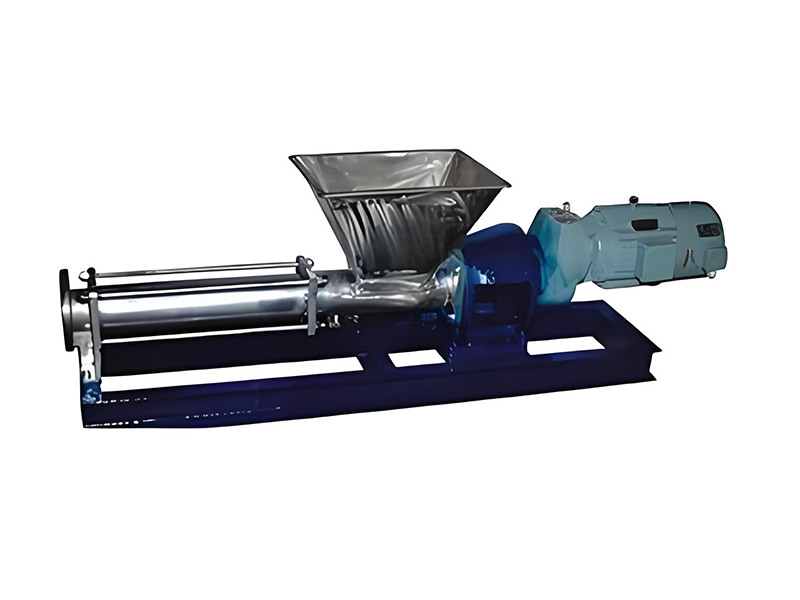
A sludge screw pump is a type of positive displacement pump that uses a rotating screw mechanism to move sludge and other thick fluids from one location to another. Instead of relying on high-speed impellers or centrifugal force, the pump gently pushes material through a confined chamber. This design is especially effective for fluids with high viscosity, suspended solids, fibrous content, or inconsistent flow characteristics.
In environmental and wastewater applications, sludge screw pumps are used to transfer:
- Primary sludge
- Secondary sludge
- Digested sludge
- Thickened sludge
- Industrial slurry
- Settling tank residue
- Food-processing waste sludge
- Fibrous or abrasive waste streams
Because of their gentle pumping action, sludge screw pumps help preserve the physical structure of sludge while reducing mechanical stress on the pumping system. This makes them especially valuable in environmentally sensitive operations where consistent transfer and reduced waste are both priorities.
Why Sludge Screw Pumps Matter for Environmental Performance
Environmental performance is no longer limited to end-of-pipe treatment. Facilities must now optimize the entire handling chain, including collection, thickening, transfer, dewatering, and disposal. Sludge screw pumps contribute to this broader sustainability strategy in several important ways:
- They reduce electrical energy demand compared with some high-speed pumping systems.
- They minimize spillage and leakage through stable, controlled transfer.
- They support lower maintenance requirements, reducing waste from worn parts.
- They improve sludge handling efficiency, helping reduce transport and disposal volumes.
- They can operate effectively with demanding materials, lowering process interruptions and losses.
These benefits matter because every improvement in pumping efficiency can contribute to lower carbon emissions, reduced operating waste, less chemical consumption, and better resource recovery. In many facilities, the sludge pumping stage is one of the most overlooked opportunities for environmental improvement.
Environmental Benefits of Sludge Screw Pumps
1. Lower Energy Consumption
One of the main environmental benefits of sludge screw pumps is their ability to move thick materials efficiently with relatively low power input. Since they use a controlled positive displacement mechanism, they often avoid the energy losses associated with recirculation, turbulence, and inefficient flow patterns that can occur in other pump types.
Lower energy use means lower greenhouse gas emissions when the electricity supply is tied to carbon-intensive sources. In large wastewater plants or industrial facilities operating continuously, the cumulative energy savings can be substantial. This makes sludge screw pumps a strong choice for organizations focused on carbon reduction and energy-efficient sludge handling.
2. Reduced Risk of Leakage and Spillage
Sludge and slurry are often difficult to manage because they are abrasive, sticky, and prone to clogging. A well-designed sludge screw pump can help reduce leakage risk by offering stable internal flow paths and predictable pressure control. Fewer leaks mean less contamination of surrounding surfaces, soil, drainage systems, and equipment areas.
From an environmental perspective, preventing spills is extremely important. Spilled sludge can create odor problems, water pollution risk, sanitation issues, and additional cleaning demands. By supporting cleaner transfer and more reliable containment, sludge screw pumps help protect both workplace hygiene and surrounding ecosystems.
3. Better Handling of High-Solid Materials
Sludge screw pumps are designed to manage high-solids content more effectively than many conventional pumping systems. This allows facilities to transport thicker sludge without excessive dilution. In environmental treatment operations, this is important because unnecessary dilution increases the volume of material that must be processed, transported, and disposed of.
By moving concentrated sludge efficiently, a sludge screw pump can help reduce overall wastewater volume and improve the efficiency of downstream treatment and disposal processes. That can lead to fewer truck movements, less fuel consumption, and lower disposal-related emissions.
4. Support for Sludge Volume Reduction
Effective sludge transfer is closely linked to volume management. When sludge is handled smoothly and consistently, upstream and downstream systems can work more efficiently, supporting thickening and dewatering operations. A sludge screw pump helps maintain steady flow to dewatering equipment, which can improve cake solids content and reduce the moisture content of final waste.
Lower sludge moisture means less mass to transport and dispose of, which directly benefits environmental performance. In many cases, reducing sludge volume is one of the most practical ways to improve sustainability in wastewater and industrial waste operations.
5. Lower Wear and Fewer Replacement Parts
Because sludge screw pumps typically operate with gentle mechanical action and are built for abrasive service, they can offer good durability in harsh conditions. Reduced wear means fewer part replacements over time, which lowers the environmental burden associated with manufacturing, shipping, and disposing of spare parts.
Long service life and predictable maintenance also help minimize downtime. Less downtime often means fewer emergency repairs, less wasted material, and better process stability. Sustainability is not only about energy use; it also includes lifecycle efficiency and resource conservation.
6. Improved Process Stability
Stable pumping supports stable treatment. In wastewater and industrial systems, process instability can lead to overflow events, treatment inefficiencies, excessive chemical dosing, and inconsistent solids capture. Sludge screw pumps offer controlled flow characteristics that help maintain even transfer rates and reduce system shocks.
When the pumping system is stable, treatment equipment can operate closer to optimal conditions. That can lead to more efficient flocculation, better dewatering performance, and fewer environmental incidents. In this sense, the pump contributes indirectly to overall plant sustainability.
7. Compatibility with Resource Recovery Systems
Modern sludge treatment increasingly focuses on resource recovery rather than disposal alone. Facilities may recover water, biogas, nutrients, or usable biosolids from sludge streams. A sludge screw pump supports this approach by moving material in a controlled way that helps preserve the quality of feed to digesters, thickeners, and separation equipment.
Better transfer control can improve the performance of anaerobic digestion and other recovery systems. That means sludge screw pumps may contribute to a circular economy strategy by helping facilities reclaim value from waste streams.
How Sludge Screw Pumps Work
The working principle of a sludge screw pump is relatively straightforward. A rotating screw or helical element creates a progressive movement of sludge through a casing or pumping chamber. As the material advances, pressure builds and fluid is pushed toward the discharge line.
This positive displacement action is especially useful for thick, viscous, or abrasive media. Because the material is moved in a controlled manner rather than violently accelerated, the pump can provide smoother operation and lower mechanical stress. This is one reason sludge screw pumps are often selected for environmentally conscious pumping systems.
Key operating characteristics include:
- Stable flow delivery
- Good solids-handling ability
- Reduced clogging risk
- Lower shear than many alternative pumping methods
- Ability to operate with variable sludge consistency
Applications of Sludge Screw Pumps
Sludge screw pumps are widely used across industries where waste, sludge, or slurry must be transferred reliably. Common application areas include:
| Application Area | Typical Material Handled | Environmental Relevance |
| Municipal wastewater treatment | Primary sludge, secondary sludge, digested sludge | Supports efficient treatment and reduced discharge risk |
| Industrial wastewater processing | Process sludge, mixed solids, slurry | Helps manage waste streams and reduce contamination |
| Food and beverage production | Organic sludge, residues, wash waste | Assists in hygienic waste transfer and volume reduction |
| Pulp and paper industry | Fibrous sludge, wastewater solids | Improves solids handling and process efficiency |
| Mining and minerals | Abrasive slurry, settling waste | Reduces spill risk and supports reliable dewatering feed |
| Agricultural waste systems | Organic slurry, manure-related sludge | Supports controlled transfer and nutrient management |
| Biogas and digestion plants | Thickened organic sludge | Improves feed stability for energy recovery |
Key Advantages of Sludge Screw Pumps
The environmental advantages of sludge screw pumps are closely tied to their engineering advantages. Below is a summary of the most important benefits.
| Advantage | Description | Environmental Benefit |
| Positive displacement design | Moves sludge in a controlled, consistent manner | Improves efficiency and reduces waste |
| High solids handling | Transfers thick sludge without excessive dilution | Reduces transport volume and disposal emissions |
| Low shear operation | Handles sensitive or fibrous material gently | Supports better process quality and resource recovery |
| Reduced clogging | Maintains reliable flow in challenging conditions | Lowers maintenance waste and system disruptions |
| Stable discharge flow | Provides even pumping performance | Improves treatment consistency and plant efficiency |
| Durability | Built for abrasive and corrosive sludge service | Extends service life and reduces replacement frequency |
Common Specifications of Sludge Screw Pumps
Sludge screw pumps are available in a range of sizes and configurations. The exact specifications vary depending on the application, sludge characteristics, required capacity, and installation conditions. The following table provides general reference values commonly associated with sludge screw pump systems.
| Specification | Typical Range | Notes |
| Flow rate | Low to high capacity depending on model | Selected according to sludge volume and process demand |
| Solids content | Suitable for high-solids sludge | Can handle thick and abrasive materials |
| Viscosity | Low to very high viscosity media | Often used where other pumps struggle |
| Operating mode | Continuous or intermittent | Depends on system design and process requirements |
| Material construction | Cast iron, stainless steel, wear-resistant alloys | Chosen for corrosion resistance and abrasion resistance |
| Sealing options | Mechanical seals, packing, specialized sealing systems | Important for leakage control and durability |
| Drive type | Electric motor, gear drive, variable speed drive | Variable speed improves energy optimization |
| Installation type | Horizontal or vertical configurations | Depends on site layout and sludge feed conditions |
Sludge Screw Pump vs Other Pump Types
When comparing sludge screw pumps to other pump types, the main difference lies in how they handle thick materials. Centrifugal pumps are often effective for clean or lightly contaminated liquids, but they may lose efficiency when solids content increases. Diaphragm pumps can handle difficult materials, but may involve pulsation, wear, or higher maintenance in some applications. Progressive cavity pumps can also manage sludge well, but system selection depends on the exact sludge composition and operating goals.
In environmental applications, the best pump is usually the one that minimizes energy use, reduces maintenance, controls leakage, and provides consistent sludge transfer. Sludge screw pumps perform well in these areas because of their controlled positive displacement action and strong solids-handling capability.
| Pump Type | Best For | Environmental Consideration |
| Sludge screw pump | Thick sludge, slurry, abrasive solids | Efficient transfer with reduced leakage and good energy control |
| Centrifugal pump | Clean liquids or low-solids wastewater | May be less efficient for thick sludge |
| Diaphragm pump | Highly contaminated or corrosive fluids | Can be effective, but maintenance and pulsation may be concerns |
| Progressive cavity pump | Viscous and shear-sensitive materials | Good sludge handling, but wear and sizing must be managed carefully |
Operational Factors That Improve Environmental Performance
The environmental benefits of sludge screw pumps depend not only on design, but also on correct operation and system integration. Facilities can maximize sustainability by focusing on several key factors:
- Proper sizing: Selecting the correct pump capacity avoids unnecessary energy use and overloading.
- Variable speed control: Adjusting pump speed to actual demand improves efficiency.
- Routine maintenance: Regular inspection reduces leaks, wear-related failures, and waste.
- Correct material selection: Corrosion- and abrasion-resistant materials extend service life.
- System monitoring: Pressure, flow, and vibration monitoring help identify inefficiencies early.
- Sludge conditioning: Optimized upstream treatment can improve pump performance and reduce clogging.
A sludge screw pump that is properly matched to the application will generally deliver better results than an oversized or undersized unit. In environmentally sensitive facilities, this can translate into lower carbon intensity, fewer process upsets, and less waste generation over time.
Maintenance and Lifecycle Sustainability
Sustainability is not just about what happens during operation. It also includes the full lifecycle of the pump. Sludge screw pumps can support lifecycle sustainability through their durability, repairability, and longer service intervals. When a pump lasts longer and can be maintained effectively, the total environmental cost of ownership decreases.
Important lifecycle benefits include:
- Reduced frequency of replacements
- Lower demand for spare parts inventory
- Less downtime and fewer emergency interventions
- Improved predictability in maintenance planning
- Reduced disposal of worn mechanical components
Many facilities now assess equipment not only by purchase price, but by total cost of ownership and environmental performance. In that context, sludge screw pumps can be a strong long-term choice.
Environmental Use Cases for Sludge Screw Pumps
The following use cases show how sludge screw pumps contribute to environmental goals in practical settings:
| Use Case | Typical Goal | Environmental Outcome |
| Sludge transfer to dewatering equipment | Feed sludge consistently | Improves solids capture and reduces water content |
| Digester feed pumping | Provide stable organic loading | Supports biogas production and resource recovery |
| Industrial waste transport | Move byproducts safely | Reduces spill risk and environmental contamination |
| Thickened sludge conveyance | Minimize dilution | Cuts transport volume and handling emissions |
| Fibrous residue handling | Avoid clogging and interruptions | Improves plant reliability and reduces waste events |
How to Choose a Sludge Screw Pump for Environmental Efficiency
Choosing the right sludge screw pump requires attention to sludge properties, environmental goals, and system constraints. Important selection criteria include:
- Required flow rate and discharge pressure
- Solids concentration and particle size
- Abrasiveness and corrosiveness of the sludge
- Operating temperature and chemical exposure
- Continuous or intermittent duty cycle
- Available installation space
- Maintenance accessibility
- Energy-efficiency targets
For best environmental results, the pump should be sized to meet actual process needs without excessive safety margin. Oversizing often leads to unnecessary energy consumption, while undersizing can cause overwork, early wear, and process instability. Correct selection is therefore a core part of sustainable sludge pumping.
SEO Summary: Why Sludge Screw Pumps Are Environmentally Valuable
Sludge screw pumps are increasingly recognized as an environmentally beneficial technology for sludge handling and industrial waste transfer. Their advantages include low energy use, stable operation, strong solids handling, reduced leakage risk, and support for sludge volume reduction and resource recovery. These features help facilities improve sustainability, lower operating costs, and meet modern environmental expectations.
For organizations searching for a dependable sludge screw pump, understanding the environmental benefits is just as important as comparing technical specifications. In wastewater treatment and industrial process systems, the right pump can reduce emissions, improve process efficiency, and help create a more sustainable operations model.
Frequently Used Keywords in Sludge Screw Pump SEO Content
The following keyword phrases are commonly associated with this topic and can be integrated naturally into supporting content for improved search visibility:
- sludge screw pump
- environmental benefits of sludge screw pumps
- sludge pumping solutions
- wastewater sludge transfer
- energy-efficient sludge pump
- sludge handling system
- industrial sludge pump
- sludge dewatering feed pump
- high-solids pumping
- sustainable wastewater equipment
- positive displacement sludge pump
- low maintenance sludge pump
By incorporating these terms naturally into headings, paragraphs, alt text, metadata, and internal links, a page can improve its relevance for search engines while remaining useful to human readers.
```





 Phone
Phone
Comment
(0)