

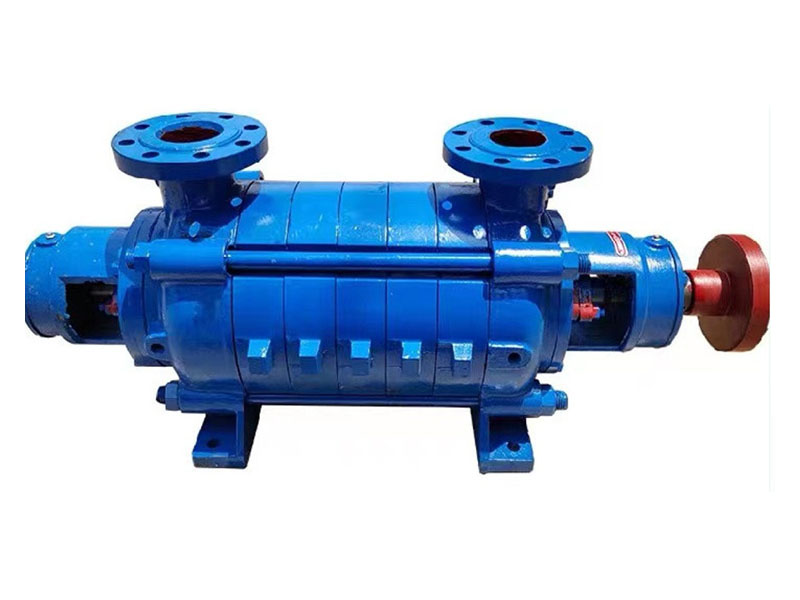
Guide to Replacing Screw Pump Accessories
If you are looking for a practical, search-friendly, and industry-focused guide to replacing screw pump accessories, this article is designed for direct use in blog pages, category pages, service pages, or industrial knowledge pages. It provides original, English-only, SEO-friendly content with clear structure, keyword-rich headings, useful definitions, replacement guidance, common accessory specifications, and maintenance considerations. It avoids company recommendations and focuses only on general industry information.
A screw pump is a widely used positive displacement pump known for its stable flow, low pulsation, high efficiency, and ability to handle viscous fluids. However, like any mechanical equipment, screw pumps require periodic accessory replacement to maintain performance, reduce downtime, and extend service life. Understanding the correct replacement process for screw pump accessories helps operators improve reliability, avoid unexpected failure, and control maintenance cost.
---
What Is a Screw Pump?
A screw pump is a type of positive displacement pump that moves fluid through one or more rotating screws. As the screw rotates, the fluid is trapped in cavities between the screw threads and the pump housing, then transported smoothly from the suction side to the discharge side.
Screw pumps are commonly used for:
- Oil and gas transfer
- Fuel and lubricant handling
- Chemical processing
- Marine systems
- Power plant applications
- Food and beverage processing
- Viscoelastic and high-viscosity fluids
- Wastewater and industrial fluid transfer
Because screw pumps can operate under demanding conditions, their accessories and wear parts must be inspected and replaced on a regular schedule.
---
Why Replacing Screw Pump Accessories Matters
Replacing screw pump accessories is a critical part of preventive maintenance. Over time, seals, bearings, couplings, gaskets, and other components wear down due to heat, friction, pressure, vibration, chemical exposure, and particle contamination.
Key benefits of timely accessory replacement
- Maintains stable flow and pressure
- Reduces leakage and contamination risk
- Prevents vibration and noise problems
- Protects major pump components from damage
- Lowers unplanned downtime
- Improves operating efficiency
- Extends overall pump lifespan
- Supports safe operation in industrial environments
Failure to replace worn accessories can cause serious issues, including shaft damage, rotor misalignment, reduced volumetric efficiency, overheating, and complete pump failure.
---
Common Screw Pump Accessories That May Need Replacement
Different screw pump designs use different accessories, but the following items are among the most commonly replaced parts in industrial service.
1. Mechanical Seals
Mechanical seals prevent fluid leakage along the shaft. They are among the most important screw pump accessories because seal failure often leads to leakage, safety hazards, and environmental problems.
Common signs of seal wear:
- Visible leakage
- Steam or vapor release
- High operating temperature
- Scoring or wear marks
- Seal face damage
2. Bearings
Bearings support rotating components and reduce friction. When bearings wear, the pump may produce vibration, noise, and unstable alignment.
Common signs of bearing wear:
- Excessive vibration
- High bearing temperature
- Grinding or humming noise
- Shaft wobble
- Reduced service life of associated parts
3. Gaskets and O-Rings
Gaskets and O-rings create sealing surfaces between pump covers, flanges, housings, and accessory connections. These components are often replaced during disassembly because they compress, harden, or degrade over time.
Common signs of gasket failure:
- Fluid seepage
- Loss of sealing pressure
- Cracks or flattening
- Chemical swelling
- Heat damage
4. Couplings
Couplings connect the pump shaft to the motor or drive system. Flexible couplings can absorb minor misalignment and reduce shock loading. A worn coupling can create alignment issues and increase stress on the shaft and bearings.
Common signs of coupling wear:
- Noise during operation
- Misalignment
- Cracked elements
- Loss of torque transmission
- Vibration at startup
5. Shaft Sleeves
Shaft sleeves protect the shaft from wear caused by seals or fluid exposure. They are especially useful in harsh or corrosive service. If the sleeve surface becomes damaged, seal performance may decline.
6. Rotors and Timing Gears
Some screw pump designs use rotors or timing gears as replaceable wear components. These parts must remain within tight tolerances to preserve pumping efficiency and internal clearances.
7. End Covers and Wear Plates
End covers, wear plates, and similar internal components may need replacement when erosion, abrasion, or corrosion becomes severe. These parts are especially important in abrasive fluid handling.
8. Fasteners and Retaining Components
Bolts, nuts, clamps, retaining rings, and washers are often replaced during major accessory service. Reusing damaged fasteners can compromise safety and assembly quality.
---
When to Replace Screw Pump Accessories
The right replacement interval depends on fluid type, operating temperature, pressure, speed, duty cycle, and maintenance quality. There is no single universal schedule for all screw pump systems.
Typical replacement triggers include:
- Rising vibration levels
- Reduced flow or discharge pressure
- Leakage around shaft or housing
- Unusual heat generation
- Noise or rough operation
- Visible wear, corrosion, or cracking
- Increased energy consumption
- Scheduled overhaul based on service hours
General replacement approach
- Seal-related accessories: inspect frequently; replace at first sign of leakage or hardening
- Bearings: replace during major maintenance or when vibration thresholds are exceeded
- Gaskets and O-rings: replace whenever the pump is opened
- Couplings: replace if wear, cracking, or misalignment is found
- Wear parts: replace when clearances exceed acceptable tolerances
For critical systems, condition monitoring and preventive maintenance are strongly recommended.
---
Benefits of Replacing Screw Pump Accessories on Time
Timely replacement offers both operational and financial advantages.
| Benefit | Description |
|---|---|
| Better reliability | Helps maintain continuous pumping performance |
| Lower downtime | Reduces unexpected shutdowns and emergency repairs |
| Improved sealing | Prevents leaks and contamination |
| Higher efficiency | Restores proper internal clearances and torque transfer |
| Safer operation | Reduces failure risk in pressurized systems |
| Longer pump life | Protects major components from secondary damage |
| Lower maintenance cost | Prevents expensive breakdowns and full rebuilds |
---
Key Considerations Before Replacing Screw Pump Accessories
Before replacing any screw pump accessory, it is important to confirm the pump type, fluid service, material compatibility, and maintenance conditions.
Important factors to review
- Pump model and technical documentation
- Single-screw, twin-screw, or triple-screw design
- Rotational speed and pressure rating
- Fluid viscosity and temperature
- Corrosive or abrasive media
- Shaft size and seal type
- Housing material and compatibility
- Installation orientation and alignment
- Safety shutdown and isolation requirements
Using the wrong accessory material or size can cause premature failure and reduce pump performance.
---
Standard Screw Pump Accessory Materials
Accessory material selection is essential for durability and compatibility.
| Accessory | Common Materials | Typical Use |
|---|---|---|
| Mechanical seal faces | Carbon, silicon carbide, tungsten carbide | Wear resistance and low leakage |
| O-rings | NBR, FKM, EPDM, PTFE | Chemical and temperature sealing |
| Gaskets | PTFE, graphite, rubber, fiber composites | Flange and cover sealing |
| Bearings | Steel, bronze, polymer-lined options | Load support and low friction |
| Shaft sleeves | Stainless steel, hardened alloy | Shaft protection in wear zones |
| Coupling elements | Rubber, polyurethane, metal | Torque transmission and vibration reduction |
Material selection should match the fluid and operating environment. For example, chemical service may require FKM or PTFE sealing materials, while high-temperature systems may need graphite-based sealing elements.
---
General Specification Table for Screw Pump Accessories
The following table provides a broad industry reference for common screw pump accessories. Actual specifications vary by pump design and service conditions.
| Accessory | Function | Common Size Range | Common Replacement Indicator | Typical Service Consideration |
|---|---|---:|---|---|
| Mechanical seal | Prevents shaft leakage | 12 mm to 100 mm+ shaft diameter | Visible leakage, heat, face wear | Match pressure, temperature, and fluid type |
| Bearing | Supports rotating shaft | Small to large industrial sizes | Noise, vibration, temperature rise | Verify load capacity and lubrication type |
| O-ring | Seals static or dynamic joints | 5 mm to 500 mm ID | Cracking, swelling, flattening | Check chemical compatibility |
| Gasket | Seals covers and flanges | Custom cut or standard sheet sizes | Compression set, seepage | Ensure correct thickness and material |
| Coupling insert | Transfers torque and absorbs shock | Application-specific | Cracking, wear, torsional slip | Align with motor and pump shaft |
| Shaft sleeve | Protects shaft surface | Application-specific | Grooving, scoring, corrosion | Replace with seal service |
| Wear plate | Maintains internal clearances | Application-specific | Erosion, scoring, loss of thickness | Important in abrasive service |
| Fastener set | Secures pump components | Standard metric and imperial sizes | Stretching, corrosion, thread damage | Replace damaged hardware only |
---
How to Replace Screw Pump Accessories: General Process
Although exact procedures differ by pump design, the general replacement process follows a common maintenance workflow.
Step 1: Isolate the pump
Before any maintenance activity, shut down the pump and isolate it from power and process lines. Follow lockout/tagout procedures and verify zero energy state.
Step 2: Depressurize and drain the system
Drain the pump and connected piping safely. Remove trapped pressure and fluid residue to avoid spills or injury.
Step 3: Inspect the pump condition
Check for:
- Shaft wear
- Housing corrosion
- Seal chamber damage
- Bearing condition
- Misalignment evidence
- Contamination in the fluid
This inspection helps determine whether only accessories need replacement or whether major components also require service.
Step 4: Remove worn accessories
Carefully remove seals, gaskets, bearings, couplings, and related components using proper tools. Avoid damaging the shaft, housing, or mating surfaces.
Step 5: Clean all mating surfaces
Clean the sealing areas, housing faces, grooves, and shaft surfaces. Remove residue, rust, old gasket material, and deposits.
Step 6: Verify dimensional compatibility
Confirm accessory dimensions before installation. Check shaft diameter, seal chamber size, gasket thickness, bearing fit, and coupling specifications.
Step 7: Install new accessories
Install replacement parts according to the correct orientation and sequence. Use lubrication where required and avoid excessive force.
Step 8: Reassemble the pump
Reinstall covers, fasteners, and auxiliary components. Tighten bolts according to recommended torque values.
Step 9: Align and test
Check alignment between pump and driver. Rotate manually if possible to confirm smooth motion. Then test at low speed or under controlled conditions.
Step 10: Monitor after startup
Observe vibration, temperature, pressure, and leakage during initial operation. Early monitoring helps confirm successful replacement.
---
Signs That Screw Pump Accessories Are Failing
Recognizing early warning signs can prevent larger failures.
| Warning Sign | Possible Cause | Related Accessory |
|---|---|---|
| Leakage | Seal or gasket degradation | Mechanical seal, gasket, O-ring |
| Vibration | Bearing wear, misalignment, coupling damage | Bearing, coupling |
| Overheating | Friction, poor lubrication, seal wear | Bearings, seal |
| Reduced flow | Internal wear or clearance increase | Wear plates, rotors |
| Noise | Mechanical looseness or damaged components | Bearings, coupling |
| Power increase | Friction or internal drag | Bearings, seals, alignment parts |
| Contamination | Seal failure or ingress | Seal, shaft sleeve |
---
Maintenance Tips for Longer Accessory Life
Replacing screw pump accessories is important, but proper maintenance can also extend service life and reduce replacement frequency.
Best practices
- Keep the pump properly aligned
- Use correct lubrication intervals
- Avoid dry running
- Prevent solids from entering the pump
- Maintain inlet conditions and avoid cavitation
- Monitor temperature and vibration
- Use compatible materials for the pumped media
- Inspect accessories during scheduled shutdowns
- Replace worn parts before complete failure
A preventive maintenance plan is usually more cost-effective than a reactive repair approach.
---
Industry Applications Where Accessory Replacement Is Critical
Different industries place different demands on screw pump accessories.
Oil and gas
Screw pumps are often exposed to hydrocarbons, high pressure, and temperature variation. Seal integrity and bearing performance are especially important.
Chemical processing
Chemical compatibility is a major issue. Seals, gaskets, and O-rings must resist corrosion and swelling.
Marine and offshore
Space constraints, vibration, and salt exposure increase wear on accessories and fasteners.
Food and beverage
Hygiene and material compatibility are essential. Accessories must support sanitary operation where required.
Power generation
Reliable lubricant and fuel transfer depends on consistent screw pump performance and low leakage.
Wastewater and industrial fluids
Abrasive particles and contamination can accelerate wear on internal components and sealing parts.
---
Choosing Replacement Accessories: General Selection Criteria
When selecting screw pump accessories, the following criteria should be considered:
| Selection Factor | Why It Matters |
|---|---|
| Fluid compatibility | Prevents chemical attack and swelling |
| Temperature range | Ensures stable performance under heat or cold |
| Pressure rating | Supports safe operation under system load |
| Shaft diameter | Confirms seal and sleeve fit |
| Speed rating | Affects bearing and seal life |
| Abrasion resistance | Important for dirty or particulate fluid |
| Installation space | Ensures proper fit in the pump assembly |
| Maintenance interval | Supports lifecycle planning |
Selecting accessories based only on visual similarity is not recommended. Accurate matching to technical requirements is essential.
---
FAQ: Replacing Screw Pump Accessories
How often should screw pump accessories be replaced?
There is no fixed universal interval. Replacement frequency depends on operating conditions, fluid type, maintenance quality, and duty cycle. Some accessories, such as gaskets and O-rings, are often replaced during every disassembly.
Can worn accessories damage the whole pump?
Yes. Worn seals, bearings, and couplings can create additional stress on shafts, rotors, and housings, leading to costly secondary damage.
Are all screw pump accessories interchangeable?
No. Accessories must match the pump model, shaft size, pressure rating, and operating conditions. Compatibility is critical.
What is the most commonly replaced accessory?
Mechanical seals, gaskets, O-rings, and bearings are among the most frequently replaced screw pump accessories.
Should accessories be replaced together?
In many cases, yes. For example, if the pump is opened for seal replacement, it is often efficient to replace associated gaskets, O-rings, and other wear items at the same time.
---
SEO-Friendly Keyword Focus for This Topic
For content planning and Google indexing, this page naturally supports the following search phrases:
- screw pump accessories
- replacing screw pump accessories
- screw pump parts replacement
- screw pump maintenance guide
- screw pump seal replacement
- screw pump bearing replacement
- screw pump gasket replacement
- positive displacement pump accessories
- industrial screw pump spare parts
- screw pump wear parts
- screw pump repair and maintenance
- screw pump replacement components
Using these terms throughout the page can help improve relevance for search queries related to industrial pump maintenance.
---
Final Thoughts
Replacing screw pump accessories is a core part of reliable pump operation. Whether the application is oil transfer, chemical processing, marine service, food handling, or industrial fluid movement, the condition of seals, bearings, gaskets, couplings, sleeves, and other replaceable components directly affects pump performance.
A successful replacement strategy should focus on:
- Correct diagnosis
- Proper material selection
- Dimensional compatibility
- Safe installation practices
- Routine inspection and monitoring
By using a structured maintenance approach, operators can reduce downtime, improve efficiency, and extend the service life of screw pumps across a wide range of industrial applications.
---
If you want, I can also turn this into:
1. a more HTML-ready version with `






 Phone
Phone
Comment
(0)