

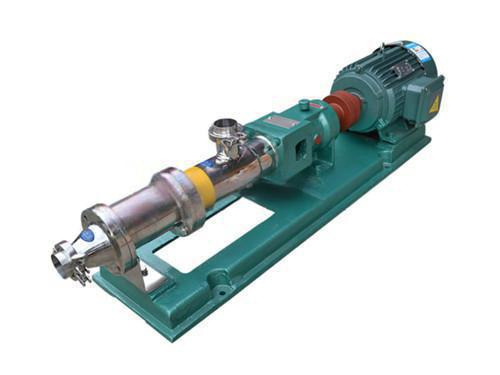
In modern wastewater treatment, moving thick, abrasive, and difficult-to-handle sludge efficiently is one of the most important operational challenges. Among the many pumping technologies used in treatment plants, sludge screw pumps have become a highly practical solution for sludge handling, sludge transfer, and process stability. Their ability to move high-viscosity, solids-laden material with steady flow, low shear, and reliable performance makes them especially valuable in wastewater treatment applications.
This page provides a detailed, SEO-friendly overview of the benefits of using sludge screw pumps in wastewater treatment. It covers definitions, working principles, key advantages, common applications, selection factors, technical specifications, and practical performance considerations. The content is written for direct use in blog posts, category pages, industry pages, and other HTML-based web content.
A sludge screw pump is a type of positive displacement pump designed to transport sludge, slurry, thick wastewater, and other high-solids fluids. It uses a rotating screw or helical rotor to move material through a casing in a controlled and continuous manner. Unlike centrifugal pumps, which depend on high speed and fluid velocity, sludge screw pumps are built to handle dense media with minimal clogging and stable discharge.
In wastewater treatment, sludge often contains a mixture of water, organic matter, suspended solids, grit, fibrous materials, and chemical residues. Because of this composition, pumping sludge requires equipment that can maintain flow without excessive wear, blockages, or performance loss. A sludge screw pump is specifically suited for this environment because it can manage difficult sludge conditions while keeping operation smooth and efficient.
Wastewater treatment facilities rely on sludge pumping at many stages of the process. Sludge must often be moved from clarifiers, thickeners, digesters, tanks, holding basins, dewatering systems, and storage areas. If sludge transfer is unstable or inefficient, the entire treatment process can suffer from downtime, maintenance issues, odor problems, and poor dewatering results.
Reliable sludge pumping helps treatment plants:
For these reasons, choosing the right sludge pump technology is a major operational decision. Sludge screw pumps are widely used because they combine practical durability with consistent handling of challenging sludge materials.
A sludge screw pump works by rotating a screw element inside a casing or tube. The rotation creates a forward-moving chamber that pushes sludge through the pump body and into the discharge line. This design creates a steady, uniform flow with less pulsation than some other pumping methods.
The pumping action is especially useful for thick, viscous, or high-solid-content sludge because the screw mechanism can physically move the material rather than relying only on fluid velocity. This makes the pump more tolerant of variable sludge consistency, lower water content, and mixed particles.
In wastewater treatment, sludge screw pumps are often selected for:
One of the biggest benefits of sludge screw pumps is their ability to handle thick sludge with high solids concentration. Wastewater sludge can be heavy, sticky, and inconsistent, making it difficult for conventional pumps to move efficiently. A sludge screw pump is designed specifically for these conditions and can transport sludge with less risk of loss of performance.
This is especially important in modern wastewater treatment systems where sludge density often changes throughout the day. The pump’s positive displacement action helps maintain dependable transfer even when sludge becomes more concentrated.
Clogging is a common issue in wastewater pumping systems, especially when sludge contains fibrous material, grit, debris, or large solids. Sludge screw pumps generally provide a lower clogging risk than many alternative pump types because their internal design allows difficult media to move more smoothly through the casing.
This helps reduce unscheduled shutdowns, emergency maintenance, and manual cleaning. In treatment plants where continuous operation is critical, clog resistance is a major operational advantage.
A sludge screw pump delivers a steady and controlled discharge flow. This is valuable in wastewater treatment because many downstream processes, such as digestion, thickening, and dewatering, perform better when feed is consistent. Uneven flow can reduce process efficiency and increase equipment stress.
Stable flow also improves process control. Operators can more easily regulate sludge transfer rates and match pump output to plant demand.
In some wastewater treatment applications, it is important to avoid excessive shear forces. High shear can break down floc structures, affect sludge behavior, and reduce the efficiency of dewatering operations. Sludge screw pumps typically generate lower shear than high-speed pump types, helping preserve sludge structure where needed.
This is beneficial when sludge is being transferred to belt presses, screw presses, centrifuges, or other dewatering systems that depend on consistent sludge characteristics.
Sludge is rarely uniform. It may vary in viscosity, solids content, temperature, and particle size. One major advantage of sludge screw pumps is their ability to handle changes in sludge consistency without dramatic performance loss. This makes them suitable for real-world wastewater treatment conditions, where feed characteristics often fluctuate.
Because of this versatility, facilities can use sludge screw pumps across different stages of treatment and for multiple sludge types.
Energy consumption is a major concern for wastewater treatment plants. Sludge screw pumps can offer efficient performance because they move sludge directly and steadily rather than relying on excessive speed or turbulence. In suitable applications, this can help reduce power demand and operating costs over time.
While actual energy performance depends on system design, sludge properties, discharge pressure, and pump size, many facilities value the pump’s ability to provide reliable transfer without unnecessary energy waste.
Wastewater sludge can be abrasive, corrosive, and chemically aggressive. Sludge screw pumps are often built with wear-resistant materials and robust mechanical construction to support long service life in challenging environments. This durability can help reduce replacement frequency and improve return on investment.
The pump’s structure is designed to support demanding duty cycles, making it a dependable choice for plants that require long-term sludge handling equipment.
Maintenance is a major cost factor in wastewater treatment. Pumps that clog frequently or wear quickly increase labor, spare parts usage, and downtime. A sludge screw pump can reduce these maintenance burdens by handling sludge more consistently and resisting operational issues that commonly affect other pump types.
Fewer blockages, stable operation, and robust mechanical design all contribute to more manageable maintenance schedules and better plant uptime.
Wastewater treatment plants do not all operate in the same way. Some need continuous sludge movement, while others require intermittent transfer based on process cycles. Sludge screw pumps can be used in both operating patterns, giving plant operators more flexibility in system design.
This versatility is one reason sludge screw pumps are common in both municipal and industrial wastewater treatment facilities.
Dewatering systems require a stable, controlled sludge feed to operate effectively. Sludge screw pumps are often used to deliver sludge to centrifuges, filter presses, belt presses, and screw presses. Their ability to produce consistent flow helps improve dewatering performance and process reliability.
When sludge feed is uneven, downstream equipment may experience inefficiency, overload, or poor solids capture. A sludge screw pump helps reduce these problems by maintaining a more uniform feed rate.
| Application Area | Typical Use | Main Benefit |
|---|---|---|
| Primary sludge transfer | Moves settled sludge from primary clarifiers | Reliable handling of dense solids |
| Waste activated sludge pumping | Transfers biological sludge from treatment processes | Steady flow and clog resistance |
| Sludge thickener feed | Supplies sludge to thickening systems | Consistent feed control |
| Digester feed and discharge | Moves sludge into and out of digesters | Handles variable viscosity and solids |
| Dewatering feed | Delivers sludge to dewatering machines | Stable input for better separation |
| Sludge storage transfer | Transfers sludge between tanks or holding areas | Continuous and dependable pumping |
| Industrial wastewater sludge | Handles process sludge from manufacturing plants | Suitable for abrasive and mixed sludge |
Different pump technologies are used in wastewater treatment, but each has strengths and limitations. Sludge screw pumps are often preferred when sludge is thick, viscous, or prone to clogging. The following table gives a general comparison.
| Pump Type | Strengths | Limitations | Best For |
|---|---|---|---|
| Sludge screw pump | Handles thick sludge, low clogging risk, stable flow | May have higher initial cost than basic pumps | Thick sludge, solids-laden wastewater, dewatering feed |
| Centrifugal pump | Simple design, common availability | Can lose efficiency with thick sludge and solids | Lower-viscosity wastewater |
| Progressive cavity pump | Good for viscous fluids, good metering | Wear on rotor/stator, sensitive to dry running | Sludge transfer and metering |
| Peristaltic pump | Handles abrasive media, self-priming | Tube wear, limited by size and pressure | Small to medium slurry transfer |
| Submersible pump | Compact installation, good for wet wells | May clog with fibrous sludge or solids | General wastewater lifting |
The performance of a sludge screw pump depends on several engineering features. These features help explain why the pump is effective in wastewater treatment systems.
The table below shows common specification categories used when evaluating sludge screw pumps for wastewater treatment. Actual values vary by design, application, and plant requirements.
| Specification | Typical Range / Description | Notes |
|---|---|---|
| Flow rate | Low to high, depending on pump size | Selected based on sludge volume and process demand |
| Discharge pressure | Moderate to high, depending on system design | Must match piping and downstream equipment needs |
| Sludge consistency | Thin to very thick sludge | Best suited for high-viscosity, solids-laden media |
| Solids handling | Good to excellent | Often chosen for sludge with suspended solids |
| Material options | Cast iron, stainless steel, hardened wear parts | Material choice affects durability and corrosion resistance |
| Drive type | Electric motor, geared drive, variable speed | Variable speed improves flow control |
| Installation | Horizontal or vertical configurations | Depends on plant layout and process integration |
| Maintenance access | Serviceable components and inspection points | Important for minimizing downtime |
Selecting the right sludge screw pump requires careful evaluation of the wastewater treatment process. A pump that performs well in one plant may not be ideal for another if sludge conditions, flow requirements, or system pressure differ significantly.
Determine whether the application involves primary sludge, waste activated sludge, digested sludge, thickened sludge, or industrial sludge. Each sludge type has different flow behavior and solids content.
The percentage of solids in the sludge affects pump sizing, wear rate, and power requirements. Higher solids content often requires stronger pumping capacity and more durable construction.
The pump should be sized to match the required transfer volume without overloading the system. Too small a pump can restrict process flow, while an oversized pump may increase energy use and operating cost.
Discharge pressure depends on elevation changes, pipe length, friction losses, and downstream equipment resistance. These factors must be included in pump selection.
Sludge containing grit or abrasive particles can cause accelerated wear. Material selection and internal design should account for this to improve durability.
Easy access to wearing parts, seals, and drive components helps reduce service time and improve long-term reliability.
Many wastewater plants benefit from pump systems that support variable speed control, monitoring, and integration with plant automation. This can improve process efficiency and simplify operation.
Sludge screw pumps offer several operational benefits that go beyond basic pumping performance. These benefits are especially important in wastewater treatment facilities that must operate under strict environmental, safety, and cost-control requirements.
These advantages make sludge screw pumps a strong fit for facilities seeking dependable sludge management with minimal operational disruption.
Although sludge screw pumps are known for dependable performance, regular maintenance is still essential. Preventive service helps preserve efficiency and extend equipment life. Common maintenance practices include inspection of wear components, checking seals, monitoring drive performance, and cleaning buildup from the pump and surrounding system.
Good maintenance planning can help wastewater treatment plants achieve longer service intervals and reduce unexpected downtime. Because sludge conditions vary, maintenance schedules should be based on actual operating conditions rather than only fixed calendar intervals.
In wastewater treatment, every improvement in sludge management can contribute to better environmental performance. Efficient sludge transfer supports cleaner plant operation, lower spillage risk, and more effective solids handling. Sludge screw pumps can also support better downstream treatment efficiency by feeding dewatering systems more consistently.
When a plant handles sludge more efficiently, it may reduce excess energy consumption, lower equipment wear, and improve solids recovery. These outcomes support both operational goals and environmental compliance.
For SEO purposes, content related to sludge screw pumps often includes terms such as sludge screw pumps, wastewater treatment pumps, sludge transfer pump, sludge handling equipment, sludge dewatering feed pump, positive displacement pump, solids handling pump, and industrial wastewater pump. Using these keywords naturally throughout the page can help improve search visibility for relevant industry queries.
The benefits of using sludge screw pumps in wastewater treatment are clear: they offer reliable sludge handling, stable flow, low clogging risk, strong durability, and compatibility with demanding treatment processes. They are particularly useful for thick sludge, solids-laden media, and applications where consistent feed to downstream equipment is essential.
For municipal and industrial wastewater facilities alike, sludge screw pumps can help improve operational reliability, reduce maintenance issues, and support more efficient sludge management. Their combination of performance, adaptability, and process stability makes them a valuable component in modern wastewater treatment systems.
| Benefit | SEO-Relevant Meaning | Why It Matters |
|---|---|---|
| High solids handling | Sludge screw pump for thick wastewater | Supports demanding sludge transfer |
| Low clogging risk | Reliable sludge handling equipment | Reduces downtime and cleaning |
| Stable flow | Consistent sludge pump performance | Improves downstream process control |
| Low shear | Gentle sludge transfer pump | Helps protect sludge structure |
| Durability | Heavy-duty wastewater pump | Extends service life in harsh conditions |
| Efficiency | Energy-efficient sludge pumping | Supports lower operating costs |
Whether used in municipal plants or industrial wastewater facilities, sludge screw pumps remain a dependable solution for difficult sludge transport tasks. Their ability to manage solids, preserve process stability, and reduce maintenance pressure makes them one of the most practical pumping technologies in wastewater treatment.

Copyright ? Jiangsu Longjie Pump Manufacturing Co., Ltd.



 Phone
Phone
Comment
(0)