

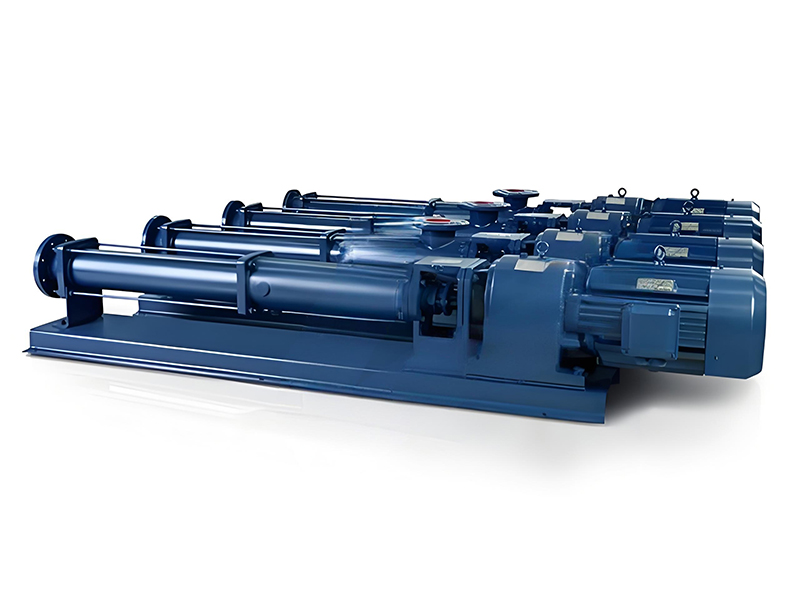
Screw pumps play a critical role in modern fluid transfer systems across a wide range of industries. Known for their smooth operation, high efficiency, and ability to handle challenging liquids, screw pumps are widely used in oil and gas, marine, chemical processing, power generation, food and beverage, and wastewater treatment. For businesses and engineers looking for reliable fluid transfer solutions, screw pumps offer a practical combination of low pulsation, strong suction performance, and consistent flow delivery.
This guide explains the role of screw pumps in fluid transfer applications, including their working principle, main advantages, common types, typical specifications, and industrial uses. The content is written in clear, SEO-friendly English and organized for easy use on blog pages, category pages, and industry landing pages.
A screw pump is a positive displacement pump that moves fluid using one or more rotating screws. As the screws turn inside a closely fitted chamber, they create sealed cavities that transport the fluid from the inlet to the outlet. Because the fluid is carried in enclosed spaces, screw pumps provide a steady, non-pulsating flow that is highly suitable for precise fluid transfer applications.
Unlike centrifugal pumps, which depend on velocity and pressure conversion, screw pumps rely on direct displacement. This makes them especially effective for handling viscous liquids, lubricating fluids, fuel oils, and other media that require stable and controlled movement.
The operating principle of a screw pump is simple but highly effective. When the screw rotates, the fluid enters the suction side and becomes trapped between the screw threads and the pump housing. The enclosed fluid moves axially along the screw axis toward the discharge side. This continuous displacement creates a smooth flow with minimal turbulence.
In fluid transfer applications, this design helps maintain product integrity, reduce pressure fluctuations, and improve transfer accuracy. Because screw pumps can self-prime in many configurations and maintain reliable suction performance, they are often chosen for applications where consistent flow is essential.
Screw pumps are important in fluid transfer because they solve several common pumping challenges. Many industrial fluids are too viscous, abrasive, sensitive, or unstable for standard pump types. Screw pumps are designed to handle these conditions efficiently while preserving flow quality.
Key reasons screw pumps are used in fluid transfer applications include:
There are several types of screw pumps used in industry. Each type is suited to different fluid transfer requirements, pressure levels, and viscosity ranges.
| Type of Screw Pump | Typical Structure | Main Application | Key Benefit |
|---|---|---|---|
| Single Screw Pump | One rotating screw and a stator | Viscous, abrasive, or solids-containing fluids | Gentle transfer and excellent suction |
| Twin Screw Pump | Two intermeshing screws | Fuel transfer, oil, chemicals, hygienic fluids | High efficiency and flexible operation |
| Triple Screw Pump | One power screw and two idler screws | Lubricating oils, hydraulic fluids, fuel oil | Low noise and smooth, low-pulsation flow |
| Multi-Screw Pump | More than two screws in one housing | Specialized industrial fluid transfer | High pressure and high flow capability |
Screw pumps are widely recognized for their practical benefits in industrial fluid handling. Their design offers both operational stability and efficiency, making them valuable in demanding environments.
One of the strongest advantages of screw pumps is their ability to deliver a continuous, low-pulsation flow. This is important in fluid transfer applications where pressure stability affects process quality, system safety, or product consistency.
Screw pumps are highly effective for moving high-viscosity fluids such as lubricants, heavy oils, bitumen, syrups, and polymer solutions. The positive displacement principle allows the pump to move thick media without major performance loss.
Many screw pump designs provide strong suction performance, which helps when transferring fluids from tanks, pipelines, or containers with low inlet pressure. This makes screw pumps suitable for tank unloading, pipeline boosting, and process transfer duties.
Because screw pumps operate with smooth internal motion, they typically generate less noise and vibration than some other pump types. This improves working conditions and can extend equipment life in fluid transfer systems.
Screw pumps can offer high volumetric efficiency, especially when handling lubricating fluids. Their ability to maintain consistent flow with low internal slip supports efficient transfer over a wide range of operating conditions.
For fluids that are shear-sensitive, foam-prone, or easily damaged, screw pumps provide a gentle pumping action. This is particularly beneficial in food, cosmetic, chemical, and specialty fluid transfer applications.
Screw pumps can be built from many material combinations to match the fluid being transferred. Common materials include cast iron, stainless steel, alloy steel, and specialized sealing materials for chemical resistance or hygiene compliance.
Screw pumps are used in a broad range of fluid transfer applications because of their adaptability and reliable performance. Below are some of the most common use cases.
| Industry | Typical Fluids | Application Example | Why Screw Pumps Fit |
|---|---|---|---|
| Oil and Gas | Crude oil, fuel oil, lube oil, bitumen | Tank transfer, pipeline boosting, loading/unloading | Handles viscous fluids and high flow demands |
| Marine | Marine fuel, lubricants, bilge fluids | Fuel supply and onboard transfer systems | Reliable operation in compact, demanding environments |
| Chemical Processing | Solvents, resins, polymers, additives | Batch transfer and process dosing | Stable flow and chemical handling flexibility |
| Food and Beverage | Syrups, sauces, oils, concentrates | Hygienic product transfer | Gentle pumping with low shear |
| Power Generation | Lubrication oil, hydraulic oil, fuel | Auxiliary systems and fuel supply | Consistent delivery and reliable pressure control |
| Wastewater Treatment | Sludge, thickened liquids, wastewater mixtures | Transfer of challenging fluids | Can handle solids and variable viscosity |
When selecting a screw pump for fluid transfer applications, engineers typically evaluate several technical parameters. These specifications help determine whether the pump is suitable for the fluid, pressure, and operational environment.
| Specification | Typical Range | Importance in Fluid Transfer |
|---|---|---|
| Flow Rate | Low to very high, depending on pump size | Determines transfer capacity and system throughput |
| Discharge Pressure | Medium to high pressure | Supports long-distance or resistance-heavy transfer |
| Viscosity Range | Low to extremely high viscosity | Confirms suitability for the fluid type |
| Temperature Range | Ambient to elevated process temperatures | Important for hot oils, chemicals, and thermal processes |
| Speed | Low to moderate RPM | Affects efficiency, wear, and flow stability |
| Material Options | Cast iron, stainless steel, special alloys | Supports fluid compatibility and corrosion resistance |
| Seal Type | Mechanical seal, packing, magnetic drive in some cases | Reduces leakage and improves system safety |
The performance of screw pumps in fluid transfer applications depends on multiple operating conditions. Understanding these factors can help improve pump selection and system design.
Viscosity is one of the most important variables. Screw pumps generally perform very well with viscous fluids, but extreme viscosity may affect flow rate, power demand, and priming behavior.
Temperature changes can alter fluid viscosity and influence pump performance. In heated transfer systems, screw pumps are often selected because they maintain stable output as fluid properties change.
Speed affects flow, efficiency, and wear. Lower speeds are often preferred for thicker fluids and longer service life, while higher speeds may be used for lighter fluids and increased throughput.
Good suction conditions support pump reliability. Although screw pumps often have strong suction capability, poor inlet design can still reduce efficiency or cause cavitation in some installations.
Discharge pressure and line resistance impact the working load of the pump. Screw pumps are suited to many pressure-driven transfer systems, but each application should be matched to the correct pressure rating.
In fluid transfer applications, screw pumps are often compared with centrifugal pumps, gear pumps, and diaphragm pumps. The best choice depends on fluid characteristics and system goals.
| Pump Type | Flow Characteristic | Best For | Main Limitation |
|---|---|---|---|
| Screw Pump | Smooth, continuous, positive displacement | Viscous fluids, stable transfer, low pulsation | May be less ideal for highly abrasive dry solids |
| Centrifugal Pump | Variable based on head and speed | Low-viscosity clean fluids | Poor performance with thick liquids |
| Gear Pump | Positive displacement, steady output | Lubricating oils and hydraulic fluids | Can be more sensitive to wear and solids |
| Diaphragm Pump | Reciprocating flow | Slurries, corrosive fluids, chemical dosing | More pulsation and lower flow consistency |
Screw pumps are especially valuable in systems that require uninterrupted flow and controlled transfer. Common examples include:
In each of these applications, the ability of a screw pump to move fluid smoothly and reliably contributes to improved process performance and reduced system stress.
The design of a screw pump has a direct impact on its fluid transfer capability. Several construction features are commonly used to improve durability, efficiency, and compatibility.
Accurate screw profiles help maintain internal sealing and reduce leakage between cavities. This supports higher volumetric efficiency during transfer.
A strong pump casing helps contain pressure and protect internal components. Housing material selection is often based on fluid chemistry and operating temperature.
For demanding fluids, wear-resistant screws and liners help extend service life and reduce maintenance frequency.
Seals reduce leakage and improve safety, especially in chemical, fuel, and food-grade transfer systems.
High-quality bearings improve shaft stability and reduce mechanical losses, which is important for long-running transfer applications.
For industry pages and product category pages, screw pumps are a strong content topic because they are widely searched in relation to fluid transfer, positive displacement pump technology, viscous liquid pumping, and industrial pumping systems. Related SEO keywords naturally include:
These keywords reflect user intent across engineering, procurement, maintenance, and operations searches. A well-structured page with headers, tables, and descriptive paragraphs can support organic visibility for these terms.
Choosing the right screw pump for a fluid transfer application involves matching the pump to the process requirements. Important selection factors include:
A properly selected screw pump can reduce operating costs, improve product transfer quality, and increase system reliability.
One reason screw pumps are popular in industrial fluid transfer applications is their maintenance-friendly operation. Their smooth running characteristics can help reduce mechanical stress on connected equipment and piping. In many systems, this contributes to longer service intervals and better uptime.
Routine maintenance typically focuses on checking seals, bearings, alignment, lubrication, and signs of wear on the screw elements. Proper maintenance helps preserve flow performance and pump efficiency over time.
Screw pumps are a key technology in fluid transfer applications because they deliver stable, efficient, and versatile pumping performance. Their positive displacement design makes them suitable for a broad range of industrial liquids, especially viscous, lubricating, or sensitive fluids. With benefits such as low pulsation, strong suction capability, quiet operation, and high reliability, screw pumps continue to be a preferred solution in many industries.
For blog content, category pages, and industry information pages, screw pumps are an excellent topic for search engine visibility because they connect directly with high-intent searches around fluid transfer, industrial pumping, and viscous liquid handling. A well-written, keyword-rich page focused on the role of screw pumps can help educate readers while supporting strong organic ranking potential.
| Feature | Benefit | Typical Use |
|---|---|---|
| Positive displacement design | Accurate and steady fluid movement | Controlled fluid transfer |
| Low pulsation | Smoother operation and less system stress | Sensitive process lines |
| High viscosity handling | Reliable transfer of thick liquids | Oil, syrup, resin, sludge |
| Strong suction | Improved inlet performance | Tank unloading and boosting |
| Low noise | Better working environment | Indoor industrial systems |
| Versatile materials | Wide fluid compatibility | Chemical, food, marine, and oil applications |
Screw pumps remain one of the most dependable choices for industrial fluid transfer applications. Their technical strengths, operational flexibility, and broad application range make them a valuable solution for industries that require efficient and consistent liquid movement.

Copyright ? Jiangsu Longjie Pump Manufacturing Co., Ltd.



 Phone
Phone
Comment
(0)