

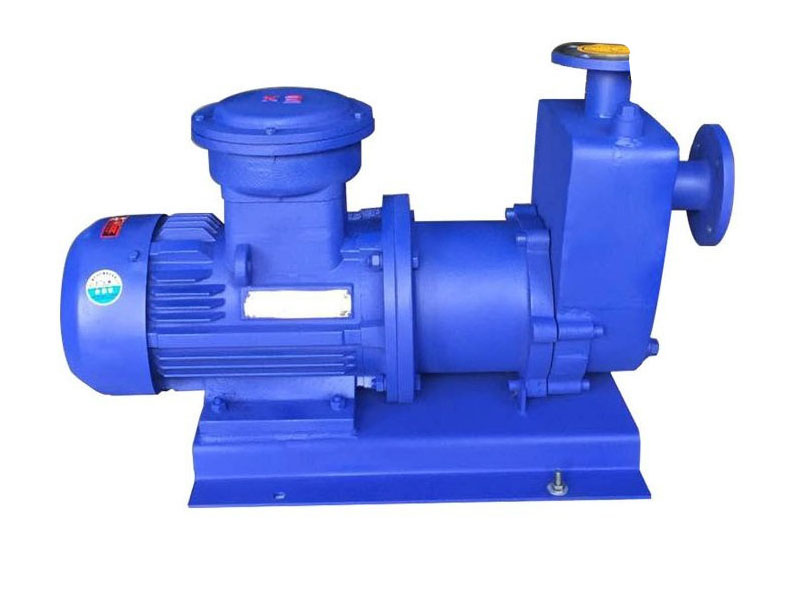
Stainless steel screw pumps are widely used in the chemical and food industries because they offer
reliable, hygienic, and efficient transfer of a broad range of liquids and semi-fluids. These pumps are
especially valued for their ability to handle viscous media, sensitive products, and materials that
require gentle pumping with low shear. In industrial processing environments, a stainless steel screw pump
can support continuous operation, stable flow, and excellent resistance to corrosion, making it a preferred
solution for demanding applications.
For businesses searching for stainless steel screw pumps for chemical and food industries,
it is important to understand how these pumps work, what materials they are made from, where they are used,
and how they contribute to product quality and process efficiency. This page provides industry-focused
information in a clear, SEO-friendly format, suitable for blog posts, category pages, and industrial
content sections.
A stainless steel screw pump is a positive displacement pump that moves fluid using one or more rotating
screws inside a precision-machined stainless steel housing. As the screw rotates, fluid is trapped in
cavities and transported axially from the inlet to the outlet. This design produces a smooth, steady flow
with low pulsation and minimal turbulence.
Compared with centrifugal pumps, screw pumps are better suited for viscous liquids, shear-sensitive
substances, and applications requiring consistent discharge pressure. Stainless steel construction is
essential in chemical processing and food production because it improves corrosion resistance, hygiene,
durability, and ease of cleaning.
Stainless steel is one of the most widely used materials in industrial pump manufacturing. In chemical and
food industries, it offers a balanced combination of mechanical strength, corrosion resistance, sanitary
performance, and long service life. Different grades of stainless steel may be selected depending on the
media being pumped, the operating temperature, and the cleaning requirements.
| Stainless Steel Property | Benefit in Chemical Industry | Benefit in Food Industry |
|---|---|---|
| Corrosion resistance | Handles aggressive fluids, solvents, and additives | Resists acids, salts, and cleaning agents |
| Sanitary surface | Reduces contamination risk in fluid transfer | Supports hygienic processing and food safety |
| Durability | Withstands demanding operating conditions | Provides long-term reliability in washdown environments |
| Temperature resistance | Suitable for heated process fluids | Works with hot liquids and thermal cleaning cycles |
| Easy cleaning | Supports maintenance and process changeover | Compatible with CIP and hygienic protocols |
The operating principle of a screw pump is simple but highly effective. A rotating screw or multiple screws
create sealed chambers that move fluid in a controlled direction. Because the liquid is displaced rather
than thrown outward, the pump delivers a stable flow rate and can handle a wide range of viscosities.
In many industrial systems, stainless steel screw pumps are selected because they can:
This makes them highly suitable for chemicals such as resins, lubricants, polymers, detergents, and coatings,
as well as food products such as syrups, creams, sauces, dairy mixtures, and edible oils.
Stainless steel screw pumps are available in several designs. The most suitable type depends on flow
requirements, viscosity, product sensitivity, and system pressure.
| Pump Type | Main Feature | Typical Use |
|---|---|---|
| Single screw pump | One rotating screw with a fixed stator or cavity | Viscous liquids, slurries, and sensitive fluids |
| Twin screw pump | Two synchronized screws provide smooth transfer | Food products, CIP systems, and mixed-process applications |
| Triple screw pump | High-pressure, low-pulsation performance | Lubricating oils, fuel transfer, and chemical circulation |
| Progressive cavity screw pump | Positive displacement with excellent solids handling | Thick pastes, sludges, and high-viscosity products |
Stainless steel screw pumps offer several important advantages in the chemical and food sectors. Their
combination of hygienic design, efficiency, and reliable fluid handling helps improve production stability
and reduce downtime.
Many industrial liquids are chemically aggressive. Stainless steel provides strong resistance against
corrosion, oxidation, and surface degradation, helping to extend pump service life and maintain operational
safety.
Screw pumps are ideal for sensitive materials because they move fluids with minimal agitation. This reduces
foaming, product breakage, and quality loss, which is especially important in food processing and fine
chemical production.
Positive displacement pumping ensures a predictable discharge rate. This is useful in batching, dosing,
filling, transfer, and circulation systems where flow consistency is critical.
Stainless steel screw pumps can handle thick or heavy fluids that are difficult for many other pump types.
This makes them valuable for sauces, creams, adhesives, coatings, polymers, and similar materials.
In food applications, sanitary design is essential. Stainless steel surfaces are easy to clean and can be
designed to support CIP (clean-in-place) and SIP (steam-in-place) procedures where required.
The screw pump’s smooth pumping action helps reduce vibration and pulsation, improving process control and
reducing stress on connected equipment.
Stainless steel screw pumps are used across a broad range of chemical processing operations. Their ability
to handle viscous, abrasive, and sometimes sensitive fluids makes them suitable for many transfer and
circulation tasks.
| Chemical Application | Typical Media | Why Screw Pumps Are Used |
|---|---|---|
| Resin transfer | Resins, binders, and polymer solutions | Handles viscosity and maintains steady flow |
| Coatings and paints | Paints, lacquers, and surface coatings | Supports gentle pumping and low shear |
| Detergent processing | Liquids, surfactant blends, and cleaning compounds | Provides reliable dosing and transfer |
| Lubricant circulation | Oils, grease blends, and additives | Delivers continuous, smooth flow |
| Adhesive handling | Hot melts, adhesives, and sealants | Supports viscous product transfer |
| Chemical batching | Solvents, intermediates, and process liquids | Improves accuracy and control |
In the food industry, stainless steel screw pumps are often chosen for sanitary transfer, processing, and
packaging support. These pumps are particularly effective when product integrity must be preserved.
| Food Application | Typical Product | Operational Benefit |
|---|---|---|
| Dairy processing | Milk, cream, yogurt, and cheese mixtures | Gentle handling and hygienic transfer |
| Sauce production | Tomato sauce, mayonnaise, dressings, and condiments | Handles viscosity and particulates |
| Beverage industry | Juices, concentrates, syrups, and flavor bases | Stable flow and reduced foaming |
| Baking and confectionery | Chocolate, fillings, glazes, and dough ingredients | Supports temperature-sensitive product movement |
| Edible oil transfer | Vegetable oils, fats, and blends | Efficient continuous pumping |
| Food ingredient handling | Pastes, purees, and mixed formulations | Minimizes product damage |
When evaluating stainless steel screw pumps for chemical and food industries, several performance factors
should be reviewed. These characteristics influence efficiency, compatibility, and long-term value.
The following table provides common specification ranges for stainless steel screw pumps used in industrial
chemical and food applications. Exact values vary by design and operating condition.
| Specification Item | Typical Range | Notes |
|---|---|---|
| Pump material | Stainless steel 304 / 316 / 316L | Selection depends on corrosion and hygiene requirements |
| Flow rate | Low to high, depending on model | Used for transfer, dosing, and circulation |
| Viscosity handling | Low to very high viscosity fluids | Suitable for thick and sensitive products |
| Temperature range | Ambient to elevated process temperatures | Depends on seals, fluid type, and design |
| Pressure capability | Low to high pressure applications | Common in process transfer and circulation |
| Connection types | Flanged, threaded, sanitary clamp | Chosen based on industry standards |
| Seal options | Mechanical seals, packing, or specialized seals | Depends on media and maintenance strategy |
| Finish | Industrial or sanitary polished finish | Food-grade applications often require smoother surfaces |
The selection of stainless steel grade affects the pump’s performance and durability. In industrial
processing, the most common grades are 304, 316, and 316L stainless steel.
| Grade | Main Benefit | Common Use |
|---|---|---|
| 304 stainless steel | General corrosion resistance and cost efficiency | Standard industrial and food transfer |
| 316 stainless steel | Improved resistance to chemicals and chlorides | More demanding chemical environments |
| 316L stainless steel | Lower carbon content for enhanced weldability and cleanliness | Sanitary and high-purity applications |
In food processing, stainless steel screw pumps should support clean operation, product safety, and fast
maintenance. Hygienic design features help reduce contamination risk and improve compliance with sanitary
standards.
These features are especially important when the pump is used in dairy, beverage, condiment, and ingredient
processing systems where frequent cleaning and strict hygiene are required.
In many chemical and food processes, screw pumps are preferred over centrifugal pumps, gear pumps, or
diaphragm pumps because they provide a better balance of flow stability, product protection, and viscosity
handling.
| Pump Type | Main Limitation | Why Screw Pumps May Be Better |
|---|---|---|
| Centrifugal pump | Less effective with thick liquids | Screw pumps handle higher viscosity more efficiently |
| Gear pump | Can create more shear and wear with some products | Screw pumps often provide gentler transfer |
| Diaphragm pump | Pulsating flow and lower smoothness | Screw pumps offer steadier discharge |
| Peristaltic pump | Limited flow capacity in large systems | Screw pumps are suitable for continuous industrial duty |
Proper installation and maintenance are essential for maximizing the performance of stainless steel screw
pumps. Good setup practices help improve efficiency, reduce downtime, and extend equipment life.
Choosing the right stainless steel screw pump depends on process conditions, product properties, and system
requirements. The following factors are commonly reviewed during pump selection.
In chemical systems, resistance to aggressive media may be the top priority. In food systems, hygiene,
cleanability, and gentle handling are often the main concerns. Stainless steel screw pumps can be adapted
to both environments through appropriate design choices.
To support search visibility, the following keyword themes are commonly associated with this topic:
Stainless steel screw pumps for chemical and food industries provide a versatile, durable, and efficient
solution for modern processing systems. Their ability to handle viscous fluids, protect sensitive products,
and support hygienic or corrosion-resistant operation makes them essential equipment in many industrial
environments.
Whether used for chemical transfer, food ingredient processing, sanitary circulation, or high-viscosity
product handling, stainless steel screw pumps deliver stable performance and long service life. By
selecting the right pump type, material grade, seal arrangement, and hygienic design features, operators
can improve process reliability, reduce waste, and maintain product quality across a wide range of
applications.
```

Copyright ? Jiangsu Longjie Pump Manufacturing Co., Ltd.



 Phone
Phone
Comment
(0)